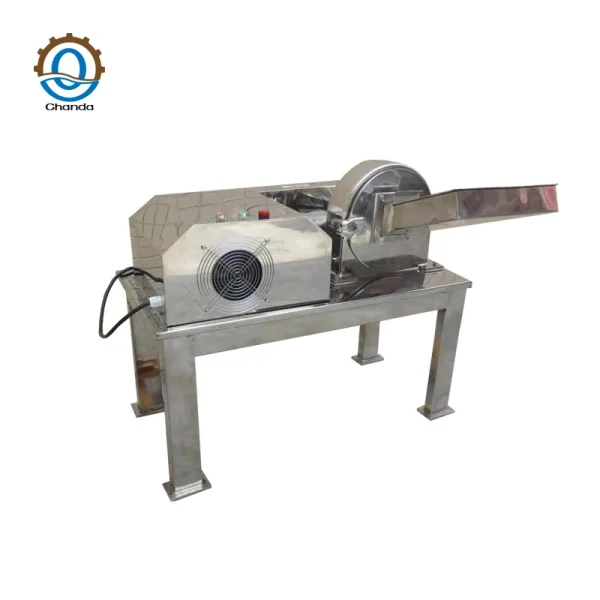
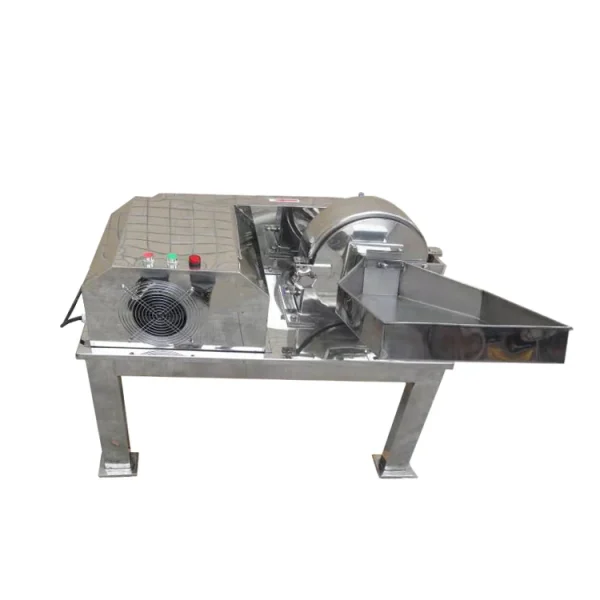
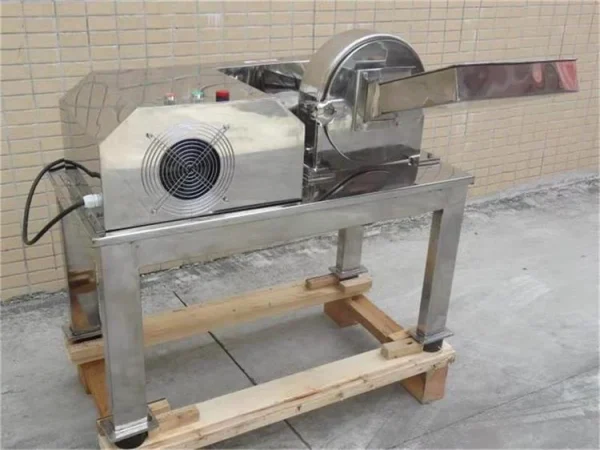
Tomato Pulping Machine 3 t/h
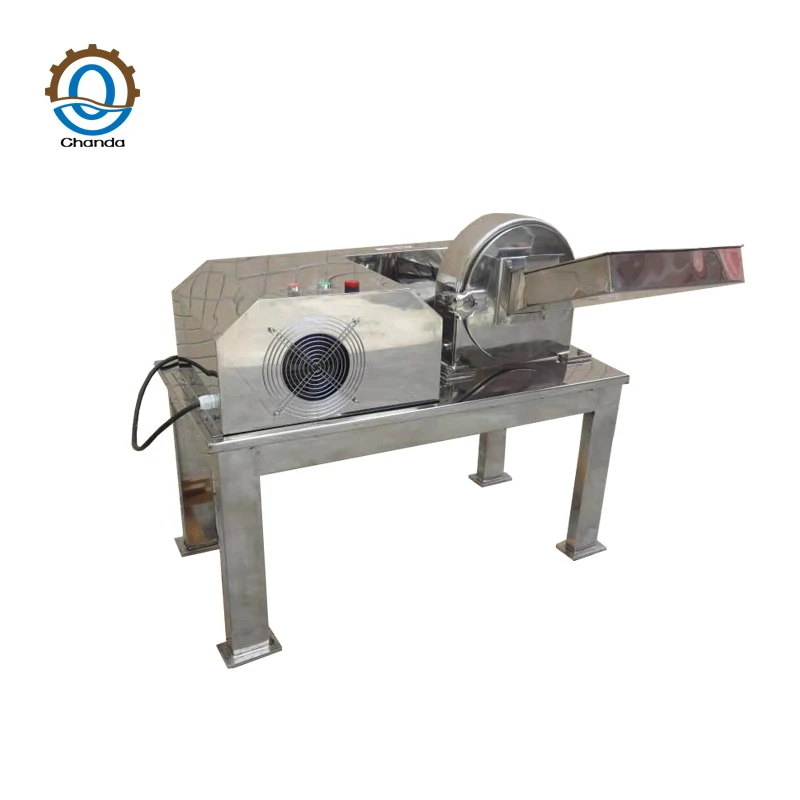
Tomato pulp is a specification, not an accident: paste plants, sauce kitchens and juice lines each demand a Brix, a texture and a seed-and-skin count, and the pulper is where those numbers are won. Hand or crude crushing leaves skin fragments and seed grit in the pulp, and the downstream refiner chokes. A tomato pulping machine does the job in ordered stages — crush, hot-break or cold-break holding, then screen refinement — so the pulp leaving the machine matches the spec sheet, not the luck of the batch.
How it works
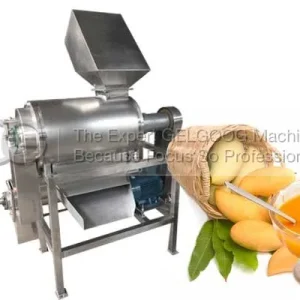
Sorted tomatoes feed into a crushing stage that breaks fruit into coarse mash. The mash holds at a set temperature — hot-break around 80 °C+ to deactivate pectolytic enzymes and hold viscosity, or cold-break below 65 °C to preserve fresh flavour at thinner consistency — a process choice the plant makes, not the machine. The held mash then passes through a beater-and-screen stage: paddles force pulp through perforated stainless screens while skin and seeds scrape along to a separate waste discharge. Twin-stage machines run a coarse screen then a fine screen in series, so the exit pulp’s fineness is a screen choice, not a compromise. Screen size, beater speed and stage count set the texture; Brix follows upstream fruit and break choice.
Suitable for
Tomato paste plants feeding evaporation with spec-grade pulp; sauce and ketchup producers running their own pulp from fresh fruit; juice and NFC lines using cold-break pulp at high flavour retention; chilli and mixed sauces where tomato base is made in-house; co-operatives adding value to gluts as bulk pulp for sale.
Not suitable for
Whole-peeled tomato packing, which needs no pulping capital; fruit pulps where screens would shear seeds into the pulp — pulper geometry is tomato-tuned; very small restaurant-scale production, where a bench pulper serves; and buyers without steam or hot-water supply for the hot-break holding stage, which is where viscosity is actually made.
Material & compliance
Hoppers, beaters, screens and chutes in SUS304 (EN 1.4301) food-grade finish; screens food-grade perforated stainless with documented change sizes; waste auger separating skin and seed from product flow; temperature instrumentation for break-stage records.
Supplied with CE declaration of conformity and DoC on request; material certificate EN 10204 3.1 available for contact parts.
Selection notes
Make the break decision first: hot-break and cold-break are different process promises — viscosity versus fresh flavour — and some machines support both with temperature control while others fix one. Ask for the pulp spec the machine holds at your fruit: Brix range, fineness per screen, and seed count per litre, because buyers test all three. Confirm screen changeover time and the screen price list; screens are the consumable and the texture lever. Check waste handling capacity — skins and seeds exit wet and heavy at high throughput, and undersized augers stall the line. And verify cleaning access: pulp sugars bake onto beaters, and a machine that strips down in minutes pays back daily.
When you should not buy this machine: If your volume is a few hundred kilos a day, a bench pulper and a fine strainer hold the quality without the capital. And if your tomato supply is paste-grade concentrate you reprocess, you need a mixer and sterilizer, not a pulper — buy the machine your material actually requires.
Key specifications
| Parameter | Value |
| Capacity | 1500-5000 kg/h by fruit and screen set (TYPICAL, confirm with factory) |
| Stages | Single or twin screen refinement (TYPICAL) |
| Screen sizes | 0.5-1.5 mm fine range (TYPICAL) |
| Break control | Hot / cold break by holding temperature (TYPICAL) |
| Contact material | SUS304 (EN 1.4301) |
| Power supply | 380V/3P/50Hz, 4-11 kW class |
Specification values are industry-typical ranges for this machine class and are not verified against a specific factory datasheet. Replace them with measured factory data before publication.
FAQ
Hot break or cold break — which do we need?
It follows your product: paste and ketchup want hot-break viscosity; fresh-flavoured juice wants cold-break thinness. Some plants run both seasons on one machine with holding-temperature control. Decide by product first, then confirm the machine holds the temperature honestly at your throughput.
What pulp fineness should we specify?
Screen aperture decides it — coarser for chunky sauces, fine for juice and smooth paste. Ask for the screen range and changeover time, and get the factory’s seed-count data at each screen; buyers notice seeds before they notice anything else.
Where do skins and seeds go?
Out a separate auger as wet waste — saleable to by-product buyers for lycopene, fibre or feed. Plan the waste path at layout time: at line rate it is a real stream, and a wheelbarrow is not a waste strategy.
Related equipment
This unit is one stage of a complete processing line. For the full range of pulping and juicing equipment, or to compare this model against the Fruit Pulper & Refiner 2000 kg/h, see the complete equipment catalogue. Capacity, material grade and utility requirements can be confirmed through a quote request.
Reviews
There are no reviews yet.