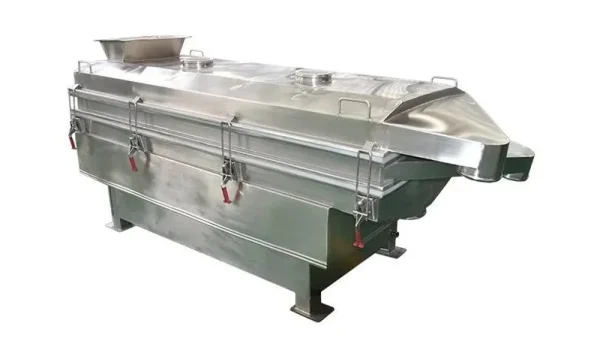
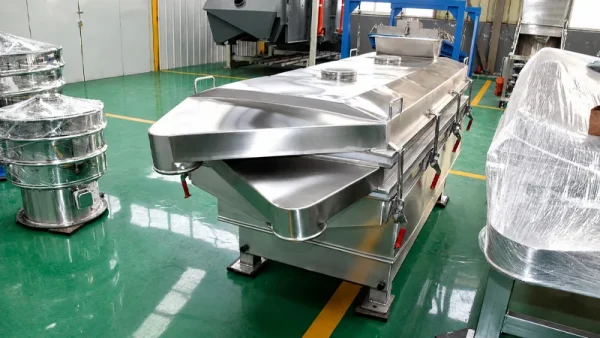
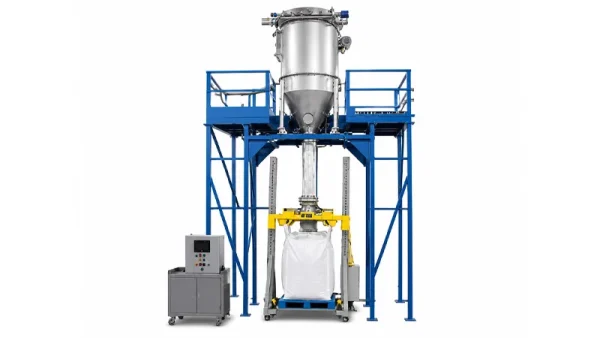
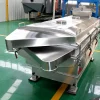
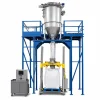
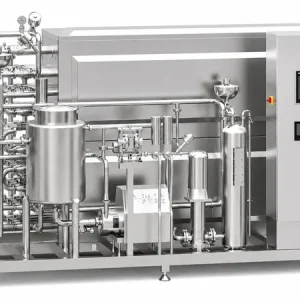
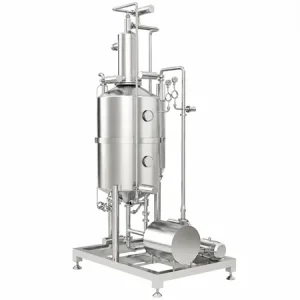
Juice Filtering Machine 3000 L/h
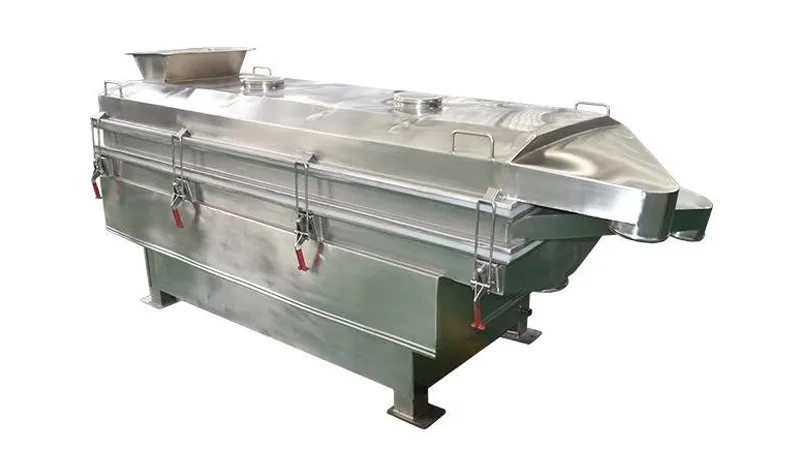
Closed filtration unit positioned after extraction or after enzymatic treatment, removing pulp, haze and suspended solids from juice down to the clarity the product specification calls for.
How it works
Juice is pumped through a filter housing containing the selected media — a wedge-wire or mesh screen for coarse solids, a cartridge or bag for finer haze, or a membrane for clarification and microbial reduction. Solids are retained on the media while clarified juice passes through and goes on to the next stage. As the media loads, differential pressure rises; when it reaches the changeover point, the filter is cleaned or the element is replaced.
Media choice is the whole specification. Coarse screening protects downstream equipment; fine filtration changes appearance; membrane filtration changes both appearance and microbial status. Choosing the finest media available is a mistake — it blinds fast and costs more per litre than it returns.
Suitable for
Clarified apple, pear and berry juice; juice after enzymatic depectinisation, where the haze load is manageable; pre-filtration ahead of concentration, evaporation or membrane plant; plants where haze or sediment in the pack generates customer complaints; product where the filter is a defined control point in the process.
Not suitable for
Cloudy or pulpy juice by design, where filtration removes the product character the customer buys; juice with no enzymatic treatment and high pectin, which blinds fine media within minutes; very high pulp loads, which belong on a decanter or a vibrating screen first; operations that cannot manage differential pressure and changeover discipline.
Material & compliance
Housing, piping and screens in SUS304 (EN 1.4301); SUS316L (EN 1.4404) on request for acidic or high-salt duty. Housing designed for CIP; media housings drainable; pressure and differential pressure indicated; food-contact media and elastomers to FDA 21 CFR 175 where required.
Supplied with CE declaration of conformity and DoC on request; material certificate EN 10204 3.1 available for contact parts.
Selection notes
Run a filterability test on your own juice before sizing anything — the rate at which media blinds is juice-specific and it is the number that decides operating cost. Ask for differential pressure monitoring rather than a timer, because changeover by pressure follows the actual load. Check whether the housing can be CIP’d with the rest of the line or has to be opened, since that decides labour and hygiene risk.
When you should not buy this machine: If your juice is meant to be cloudy, filtration is the wrong process and you will spend money removing what the customer pays for. Also skip fine media if you have not depectinised: pectin blinding is a process problem, and no filter size fixes it.
Key specifications
| Parameter | Value |
| Capacity | 500-20000 L/h by media and housing (TYPICAL, confirm with factory) |
| Filtration range | 100 µm to 0.2 µm by media (TYPICAL) |
| Media type | Screen, cartridge or membrane (TYPICAL) |
| Operating pressure | 1-6 bar by media (TYPICAL) |
| Operating temperature | 5-60 °C by process (TYPICAL) |
| Contact material | SUS304 (EN 1.4301); SUS316L on request |
| Power supply | 380V/3P/50Hz or 415V/3P/50Hz, customizable |
Specification values are industry-typical ranges for this machine class and are not verified against a specific factory datasheet. Replace them with measured factory data before publication.
FAQ
Which media should I use?
Whatever reaches your target clarity at an acceptable blinding rate. Start coarse to protect the plant, then step down only as far as the product spec requires.
Why does my filter blind so fast?
Usually pectin or pulp load. Enzymatic depectinisation upstream is the standard fix, and it costs less than replacing elements every shift.
Is filtration a microbial control step?
Only at membrane ratings. Screen and cartridge filtration changes appearance; microbial reduction needs a membrane and validation of the rating against your product.
Related equipment
This unit is one stage of a complete processing line. For the full range of pulping and juicing equipment, or to compare this model against the Screw Press Juice Extractor 3000 kg/h, see the complete equipment catalogue. Capacity, material grade and utility requirements can be confirmed through a quote request.
Reviews
There are no reviews yet.