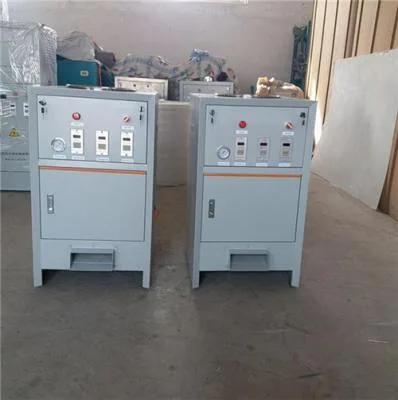
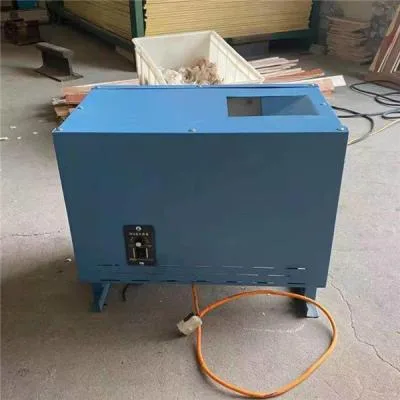



Garlic Grading Machine 1000 kg/h
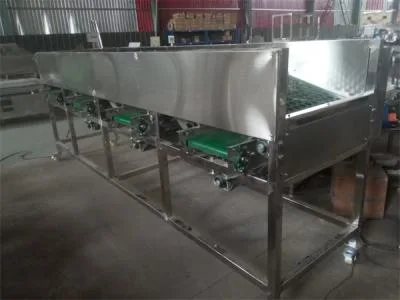
Garlic sells by diameter. The bulb is nearly spherical, tough-skinned, and travels well — which makes it the friendliest product any grader handles, and the reason garlic grading machines are simple, durable and everywhere in growing regions. What separates a good one from a bad one is bruise marks you will not see until the bulbs are on a shelf, and grade-boundary cleanliness you can measure with a vernier caliper.
How it works
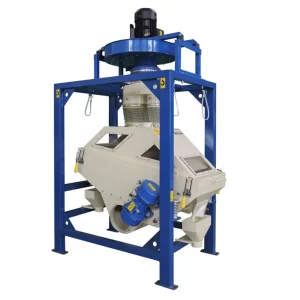
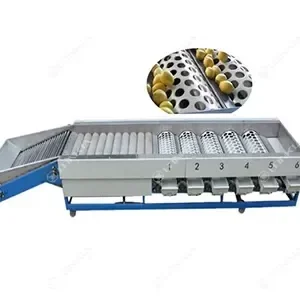
Two geometries dominate. Rotary perforated drums work exactly as on fruit: bulbs tumble through progressively larger holes, falling through the first hole they fit. Roller-gap graders run bulbs down a bed of rollers whose gap widens along the travel; a bulb drops through the gap the moment it no longer bridges it, which tends to give cleaner boundaries than holes because orientation cannot cheat a gap. Either way, product feeds from a hopper onto the grading section, drops into grade conveyors beneath, and leaves at several outlets — typically four to six grades from 40 to 80 mm diameter. Root-cut and brushed bulbs grade cleanest; untrimmed bulbs with long necks bridge gaps and need wider settings.
Suitable for
Market garlic packing into size-graded mesh bags and cartons; seed garlic separation, where grade boundaries matter more than anywhere else; shallot and onion grading on the same machine within the size range; growing-region cooperatives grading harvest intake ahead of storage, since size homogeneity stores better.
Not suitable for
Garlic cloves — a different product with different machines (a clove separator grades by weight and shape, not diameter); broken or split bulbs, which the machine will grade but the market will not buy, so repair them out upstream; dusty intake straight from field-curing without brushing, where dust loads the rollers or blinds the holes.
Material & compliance
Hopper, drums or rollers, chutes and conveyors in SUS304 (EN 1.4301); roller surfaces food-grade with soft coating where bruise protection matters. Drop heights between sections minimised — garlic bruises on hard falls like anything else, it just hides it better. Guards on rotating drums; collection conveyors accessible for cleaning.
Supplied with CE declaration of conformity and DoC on request; material certificate EN 10204 3.1 available for contact parts.
Selection notes
Ask for the grade-boundary specification — what share of each grade falls within its stated diameter band — and verify it on your bulbs, because boundary cleanliness is the whole quality of a grader. Ask whether the machine is a drum or roller-gap design and why the supplier chose it for your product. Check drop heights and transfer points for bruise risk. Check how grade sizes are changed and what tooling costs. And check the feed hopper against your intake container sizes, since feeding by hand is the usual bottleneck here.
When you should not buy this machine: If your garlic goes to a peeling or cloving line anyway, grading by size buys you nothing — the downstream machine does not care. And if your intake is untrimmed, either trim first or accept loose grades; no grader fixes a long neck.
Key specifications
| Parameter | Value |
| Capacity | 600-2000 kg/h by model (TYPICAL, confirm with factory) |
| Grades | 4-6 diameter grades (TYPICAL) |
| Grade range | 40-80 mm bulb diameter (TYPICAL) |
| Grading geometry | Rotary perforated drum or expanding roller gap |
| Grading accuracy | 92-97 % within grade on trimmed bulbs (TYPICAL) |
| Size change | Drum/roller set change |
| Contact material | SUS304 (EN 1.4301) |
| Power supply | 380V/3P/50Hz or 415V/3P/50Hz, customizable |
Specification values are industry-typical ranges for this machine class and are not verified against a specific factory datasheet. Replace them with measured factory data before publication.
FAQ
Drum or roller gap — which is better for garlic?
Roller-gap graders usually give cleaner grade boundaries because a bulb’s orientation cannot cheat a widening gap the way it can slip through a hole end-on. Drums are simpler and cheaper. For seed garlic, the boundary cleanliness tips it to rollers; for market packing in broad grades, drums do the job.
Can it grade onions and shallots too?
Yes, within the diameter range and with the bulb’s toughness in mind — onion skins shed and dust the machine, so brushing upstream helps. The grade settings are re-tooled per product.
Does grading before storage actually matter?
More than most growers expect. Mixed sizes store unevenly — small bulbs dry and shrivel faster, large bulbs bruise under their own stacking. Grading before storage lets each grade be handled and monitored on its own terms, and loss rates show the difference by spring.
Related equipment
This unit is one stage of a complete processing line. For the full range of sorting and grading equipment, or to compare this model against the Garlic Clove Separator 500 kg/h, see the complete equipment catalogue. Capacity, material grade and utility requirements can be confirmed through a quote request.

Reviews
There are no reviews yet.