

Onion Grading Machine 3 t/h
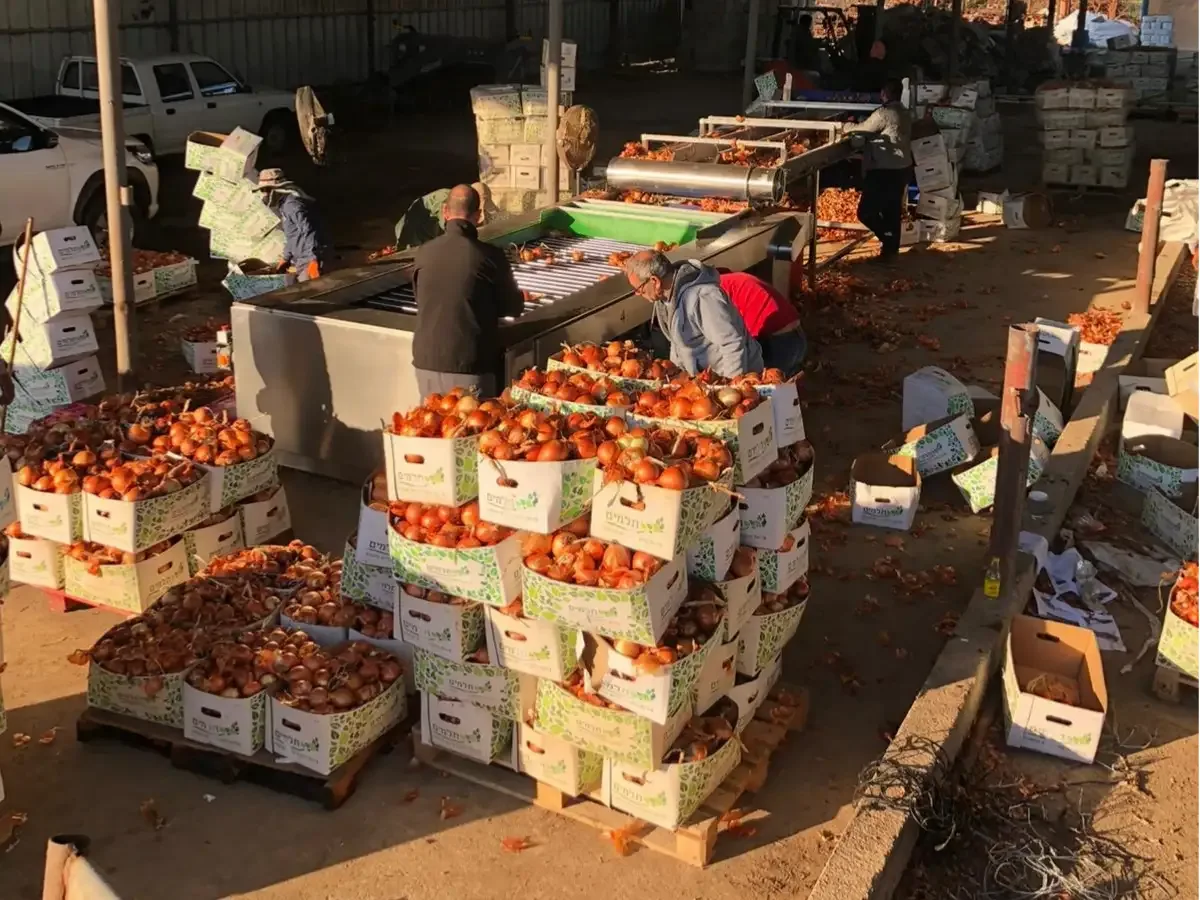
The onion trade buys size. A 60-70 mm jumbo nets a different price from a 40-60 mm medium, and a mixed bin sells at the discount of its worst fraction. Grading by hand at three tonnes an hour is neither honest nor affordable; the onion grading machine lifts the fruit onto spacing rollers, lets size decide the gap each onion falls through, and delivers parallel grades your packer can label without apology.
How it works
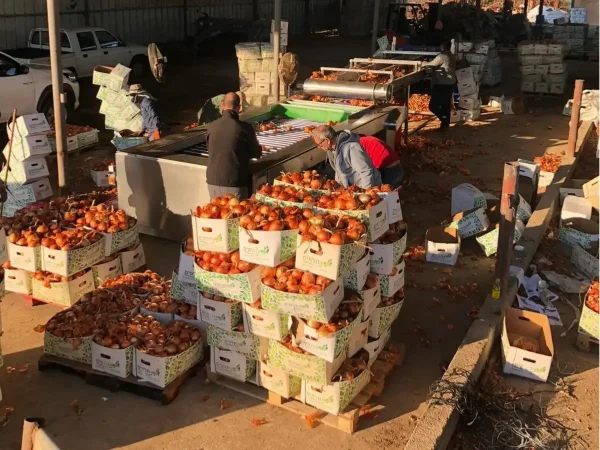
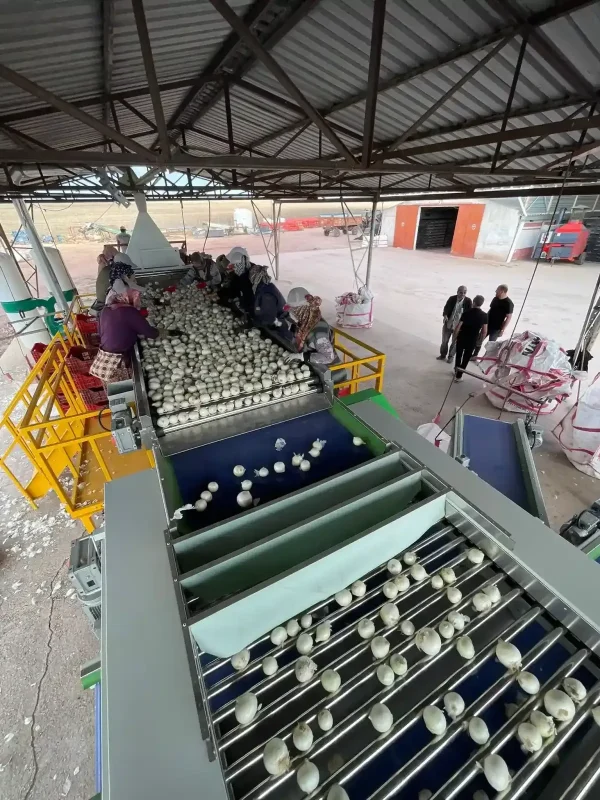
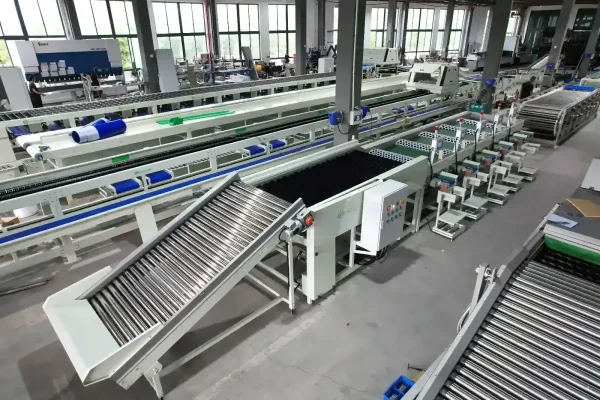
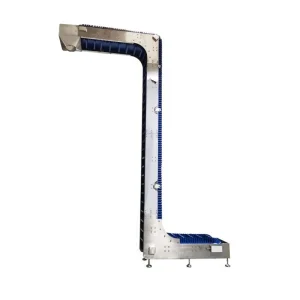
Field onions feed from a hopper and elevator onto a bed of parallel rotating rollers whose gap widens along the machine. Small onions fall through the narrow early gaps to the first outlet; progressively larger fruit rides further and drops through later, wider gaps — four to six size grades along a single pass. The rollers’ rotation turns each onion so it presents its true diameter, not a lodged angle, and soft coatings protect skins from marking. Upstream, a debris screen drops soil and loose skin; an open inspection section lets hands or vision pick rot and doubles before grading, because a rotting onion in a graded lot contaminates the grade’s meaning. Outlet conveyors carry each grade to bins or packing.
Suitable for
Onion packhouses grading field-run stock into retail and industrial size specs; garlic and shallot operations on the same roller geometry with a setting change; potato and other round-to-oblong commodities within the size band the rollers cover; storage facilities grading out of controlled atmosphere before dispatch; and co-operatives pooling member deliveries into consistent, price-able grades.
Not suitable for
Fragile soft fruit — tomatoes and berries bruise under even gentle roller handling; grading by weight or by colour, which needs a different machine class entirely; very small operations moving a few sacks a day, where a hand grader and honest labels suffice; and sites wanting damage-free long storage of already-bruised stock — grading separates sizes, it does not heal fruit.
Material & compliance
Frame, rollers, hoppers and outlets in SUS304 (EN 1.4301) with food-grade roller coatings; drives guarded, emergency stops at operator positions; debris screens and falls designed for daily cleanout, because onion skin and soil accumulate into tomorrow’s problem.
Supplied with CE declaration of conformity and DoC on request; material certificate EN 10204 3.1 available for contact parts.
Selection notes
Ask which size grades the roller set delivers out of the box and how grade boundaries adjust — your buyer’s spec, not the factory’s default, should decide. Ask for capacity on your onion sizes and dirt load, not a catalogue figure. Check skin-marking on a demonstration run with dry, cured onions — the crop punishes rough handling in market feedback months later. Confirm the inspection section’s ergonomics: reach, lighting, and whether vision sorting is an option. Ask what changeover between onion, garlic and potato involves honestly — settings or hardware.
When you should not buy this machine: If your volumes run under a tonne a day, a hand grader and a set of sizing rings keep the operation honest at a fraction of the cost. And if your buyer’s real complaint is rot and doubles rather than mixed sizes, spend on the inspection and vision stage first — grade consistency cannot rescue a dirty lot.
Key specifications
| Parameter | Value |
| Capacity | 2-8 t/h by width (TYPICAL, confirm with factory) |
| Grades | 4-6 size outlets, adjustable boundaries |
| Sizing | Spacing roller bed, gap widens along pass |
| Upstream | Debris screen + open inspection section |
| Suitability | Onion, garlic, shallot, potato within band |
| Contact material | SUS304 (EN 1.4301), food-grade rollers |
| Power supply | 380V/3P/50Hz, 2.2-5.5 kW class |
Specification values are industry-typical ranges for this machine class and are not verified against a specific factory datasheet. Replace them with measured factory data before publication.
FAQ
Can one machine grade onions and garlic?
Yes with roller-setting changes and possibly a different outlet comb — the geometry is shared, the settings are not. Confirm changeover time at quotation if both crops matter to your season.
Will it mark the onion skins?
Properly coated rollers on cured onions, no — the trade grades dry stock precisely because wet or uncured skins mark and rot spreads. Ask to see the demonstration on cured onions and inspect the fruit after a full pass.
How are grade boundaries adjusted?
By roller gap and outlet comb position, per section. Get the adjustment range in writing against your buyer’s size spec — a machine whose boundaries cannot reach your spec is a discount generator.
Related equipment
This unit is one stage of a complete processing line. For the full range of sorting and grading equipment, or to compare this model against the Roller Size Grading Machine 3000 kg/h, see the complete equipment catalogue. Capacity, material grade and utility requirements can be confirmed through a quote request.
Reviews
There are no reviews yet.