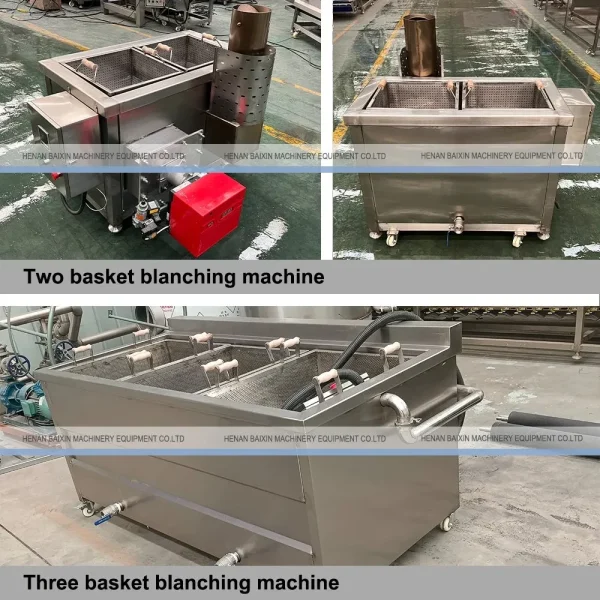
Hot Water Blanching Machine 1.5 t/h
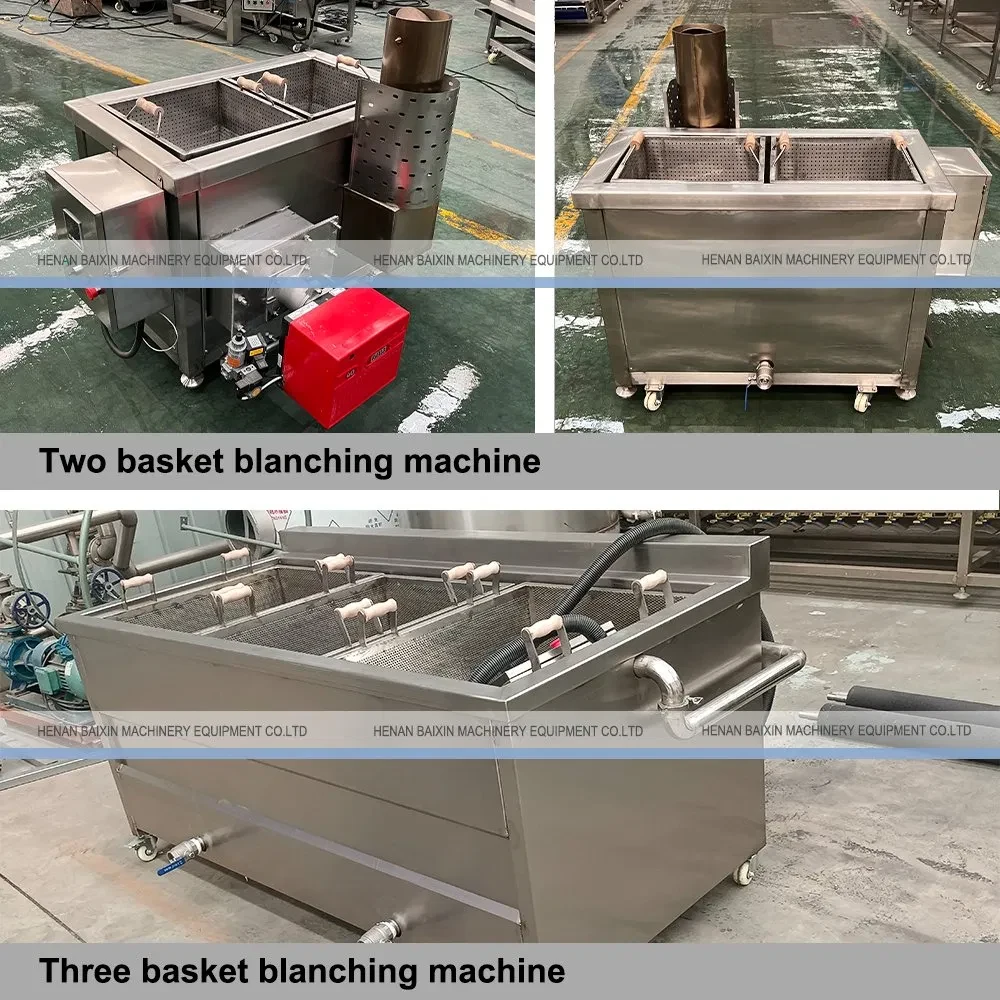
Blanching looks like a simple step — heat, hold, cool — and the choice of medium quietly decides product quality. Steam blanchers suit robust cuts; hot water immersion transfers heat faster and more evenly, which matters for leafy greens that wilt before steam reaches their core and for diced roots whose edges overcook while centres lag. The trade — water-soluble vitamin and flavour loss — is real and manageable with tight temperature control and short dwell. A hot water blanching machine gives frozen and canned lines the fastest, most even enzyme kill per second of heat exposure, with dwell and temperature set precisely enough that texture survives the freeze.
How it works
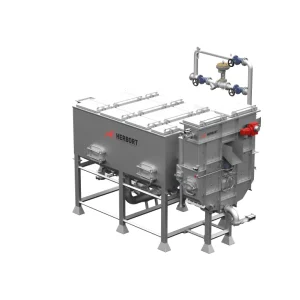
Product feeds below the water surface on a mesh conveyor and travels through a temperature-controlled bath, typically 85-98 °C. Water circulates continuously — pumped through a heater and distributed so no cold pockets survive — while make-up water and overflow keep concentration of extracted sugars and acids in check. Dwell is belt speed, set per product: leafy greens in tens of seconds, dense root dice in minutes. An exit spray and drain carry product to cooling — iced water or air — to stop carry-over cooking, and the central controller logs temperature against HACCP targets. Water level, temperature and belt speed are the three setpoints that define the whole process.
Suitable for
Frozen vegetable lines blanching spinach, peas, beans and diced roots before IQF; canned and jarred vegetable packers needing consistent pre-cook; pickled-vegetable producers softening before brining; ready-meal factories blanching components at line rate; debittering passes for some leafy and cruciferous crops.
Not suitable for
Products where leaching is unacceptable — whole-berry fruit and flavour-critical crops go to steam or individual-quick blanch systems; long shelf-life ambient products needing commercial sterility — that is retort territory, not blanching; sites without water heating capacity, drain sizing and effluent handling; and dry-blanch alternative products where surface moisture before freezing hurts the freeze.
Material & compliance
Bath, mesh belt, spray plumbing, chutes and frame in SUS304 (EN 1.4301) food-grade finish; insulated bath shell; sealed washdown drives; temperature logging to HACCP-compatible output; interlocked access and clean-in-place routing.
Supplied with CE declaration of conformity and DoC on request; material certificate EN 10204 3.1 available for contact parts.
Selection notes
Bring product and target, not a machine size: per-vegetable dwell and temperature curves are the real specification, and a factory that blanch-pilots your cut list will quote bath volume and belt width that fit them. Ask how water quality is held — extraction build-up drives flavour drift and colour loss, and make-up plus overflow design is where good machines differ. Confirm heat-up time and insulation, since bath reheating each morning is a real energy line. Check cooling integration: blanching without immediate chilling halves the benefit. And verify the belt and spray design handles your mix — floating leaf and sinking dice want different guidance in the same bath.
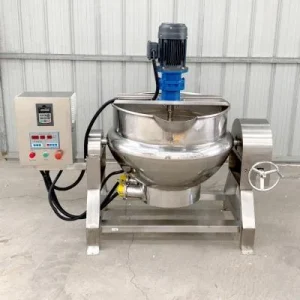
When you should not buy this machine: If your volume blanches a few hundred kilos a day in batches, a jacketed kettle with baskets does the job at a fraction of the capital. And if your product is flavour-critical fruit or whole-form vegetables, steam blanching protects it better — immersion buys speed with leaching.
Key specifications
| Parameter | Value |
| Capacity | 800-2500 kg/h by product and dwell (TYPICAL, confirm with factory) |
| Bath temperature | 85-98 °C, PID controlled (TYPICAL) |
| Dwell | Belt speed set, 30 s-8 min (TYPICAL) |
| Belt width | 600-1500 mm by model (TYPICAL) |
| Contact material | SUS304 (EN 1.4301) |
| Power supply | 380V/3P/50Hz, 15-45 kW class |
Specification values are industry-typical ranges for this machine class and are not verified against a specific factory datasheet. Replace them with measured factory data before publication.
FAQ
Hot water or steam blanching — how do we choose?
Immersion heats faster and more evenly, which suits leafy vegetables and mixed dice; steam leaches less, which suits flavour-critical and whole-form products. Choose by what your product loses first — colour and texture point to water, flavour and soluble nutrients point to steam.
How much nutrient and flavour loss does immersion cause?
Water-soluble vitamins and sugars leach with dwell time — tight temperature control and the shortest dwell that passes peroxidase testing keep loss acceptable. Ask for leaching data on your product at the pilot stage rather than accepting class averages.
How is water quality maintained across a shift?
Continuous make-up and overflow dilute extracted solids, and some designs add filtration or partial exchange. Confirm the factory’s water balance numbers for your product, since strong-extracting crops like leafy greens load a bath faster than root dice.
Related equipment
This unit is one stage of a complete processing line. For the full range of cooking and blanching equipment, or to compare this model against the Continuous Belt Blancher 2500 kg/h, see the complete equipment catalogue. Capacity, material grade and utility requirements can be confirmed through a quote request.
Reviews
There are no reviews yet.