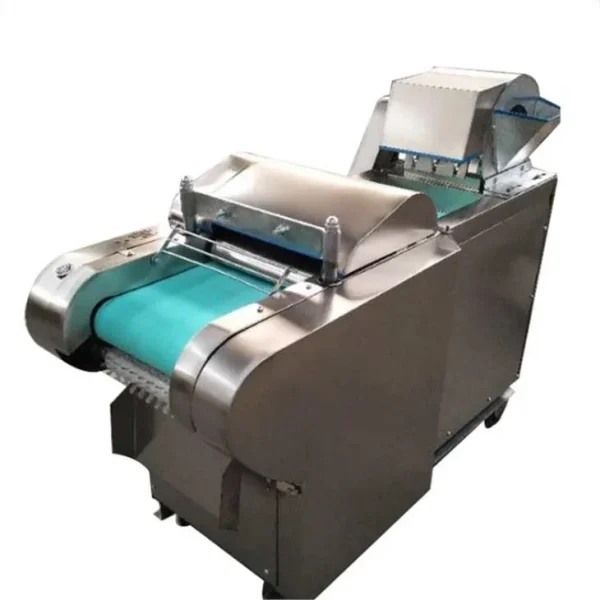
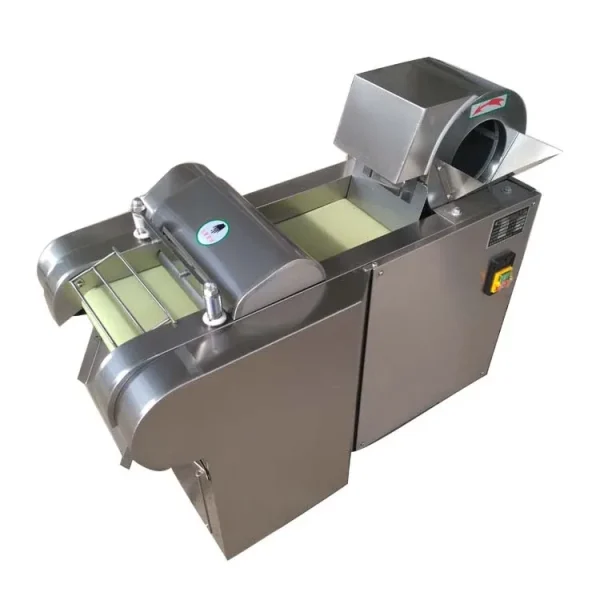
Cabbage Shredding Machine 1500 kg/h
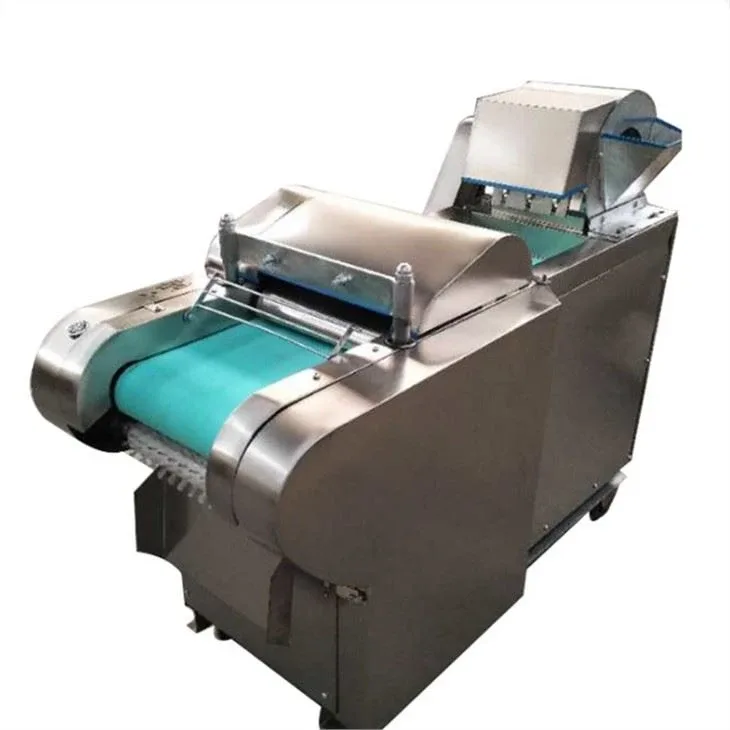
Coleslaw, kimchi and bagged salad all begin with the same cut: cabbage reduced to a strip of even width, clean-edged, with no bruised fringe. The shredding machine does this with a rotating knife drum cutting against a comb — a geometry so simple that the differences between machines are invisible until they show up at the edge of the shred, three days into shelf life.
How it works
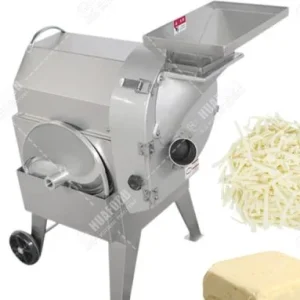
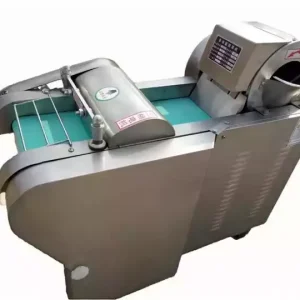
A halved or quartered head is fed by hand or conveyor into the cutting chamber. A rotating drum carrying segmented knives sweeps each piece past a fixed comb; the comb limits how much leaf the drum can take at a pass, and the knife edge shears it into a strip whose width equals the comb spacing. Cut strips fall through to the discharge conveyor. Shred width is changed by swapping the comb or the knife set — it is tooling, not a dial. Everything in the design fights the same enemy: bruised cut edges. Dull knives bruise; overloaded combs bruise; drums running at the wrong speed bruise. The bruise is invisible at the cut and turns brown by day two of the shelf.
Suitable for
Fresh-cut coleslaw and salad mix operations where shred quality is a shelf-life variable; kimchi and fermented vegetable production, where shred geometry affects salt penetration and fermentation consistency; foodservice processors supplying pre-shredded cabbage at volume; mixed leafy lines running cabbage, lettuce and Chinese cabbage through one machine with comb changes.
Not suitable for
Whole-head cabbage without upstream halving, which the chamber will not accept cleanly; product straight from the field without trimming and coring — the core shatters the shred and dulls knives fast; very small kitchen volumes, where a bench cutter is the correct tool and a machine this size is a way to lose money politely.
Material & compliance
Frame, chamber, comb and discharge in SUS304 (EN 1.4301); knives in stainless blade steel, segmented for partial replacement as edges wear unevenly. The cutting chamber opens wide for wash-down — cut cabbage juice and sugars lodge in every crevice and ferment within a shift. Interlocked access to the drum; feed chute geometry that keeps hands out by design, with pushers rather than fingers for the last piece.
Supplied with CE declaration of conformity and DoC on request; material certificate EN 10204 3.1 available for contact parts.
Selection notes
Ask for a cut test on your cabbage and look at the shred edge under magnification — a clean shear and a bruised crush look identical at arm’s length and completely different on day three. Check comb changeover time and the price of combs for each width you sell. Check the feed arrangement against your halving and coring upstream, because feed consistency decides shred uniformity more than the drum does. Check how the drum is accessed for cleaning, and how long a full strip-down honestly takes.
When you should not buy this machine: If your cut is sold the same day into cooking, shred-edge quality barely matters and a simpler machine does the job. But if your product is bagged with a shelf-life claim, the shredder’s edge quality is the product — buy the machine that cuts cleanest, not the one that cuts fastest.
Key specifications
| Parameter | Value |
| Capacity | 800-3000 kg/h by model (TYPICAL, confirm with factory) |
| Shred width | 1.5-8 mm by comb/knife set (TYPICAL) |
| Cut geometry | Rotating knife drum against fixed comb |
| Knife set | Segmented stainless, partial replacement |
| Feed | Chute with pusher or belt infeed |
| Discharge | Belt conveyor to next step |
| Contact material | SUS304 (EN 1.4301) |
| Power supply | 380V/3P/50Hz or 415V/3P/50Hz, customizable |
Specification values are industry-typical ranges for this machine class and are not verified against a specific factory datasheet. Replace them with measured factory data before publication.
FAQ
Why does shred edge quality matter so much?
A bruised cut edge releases cell fluid, browns faster and carries most of the microbial load. In bagged salad with a shelf-life claim, the difference between a sheared edge and a crushed edge is measurable in days — which is why the cut test is the whole evaluation.
Can it shred lettuce and Chinese cabbage?
Yes, within the leaf structure the comb accepts. Very crisp iceberg and soft Chinese cabbage both cut, but at different settings and feed rates; run the cut test with your actual products rather than assuming the machine is one-size.
How often do knives need attention?
By a sharpening or replacement schedule measured in operating hours, and sooner when cut quality slips. The discipline that matters is reacting to the shred edge, not the calendar — machines whose customers inspect the cut daily replace knives on time.
Related equipment
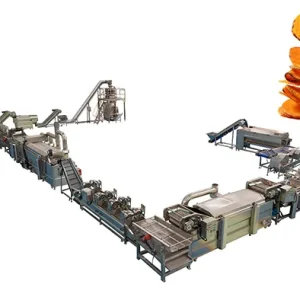
This unit is one stage of a complete processing line. For the full range of cutting and slicing equipment, or to compare this model against the Vegetable Shredding Machine 800 kg/h, see the complete equipment catalogue. Capacity, material grade and utility requirements can be confirmed through a quote request.
Reviews
There are no reviews yet.