
Solar Tunnel Dryer 500 kg/batch
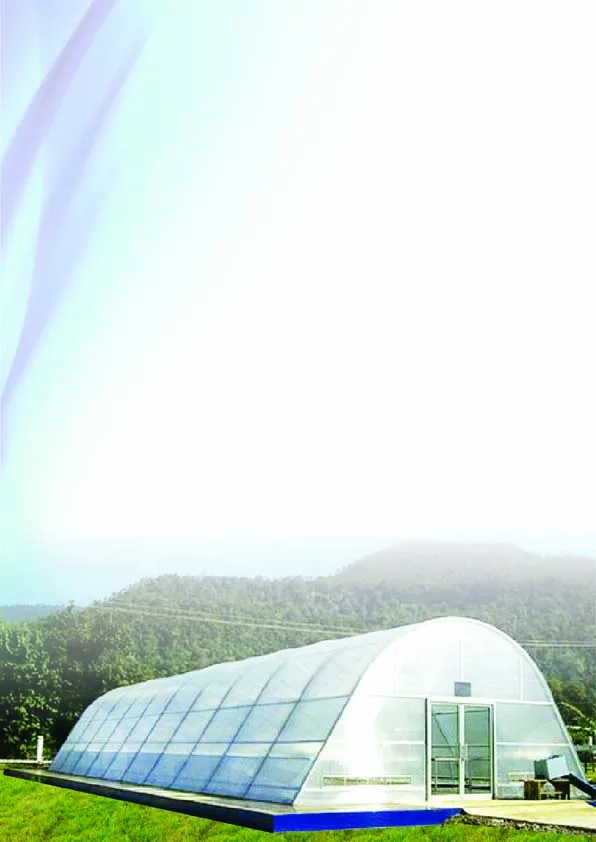
Drying unit that runs on the one energy input every growing region already has. Where a hot-air dryer buys control with fuel or electricity, a solar tunnel buys zero fuel cost with weather dependence, and the whole specification is a judgement about which of those two matters more at your site.
How it works
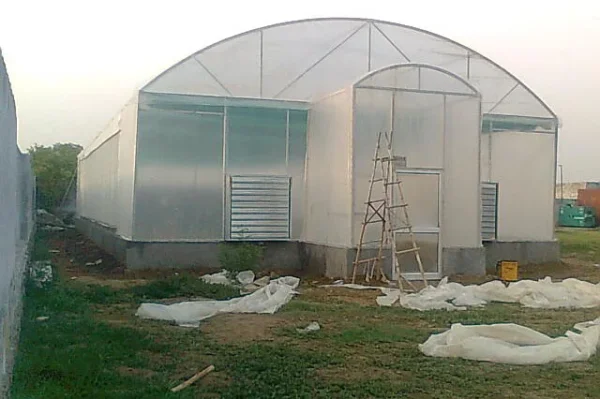
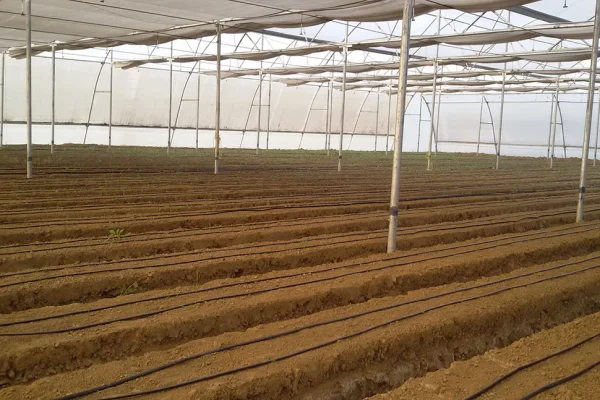
Product is spread on trays in a covered tunnel or cabinet with a transparent cover and, usually, a dark absorbing surface. Solar radiation passes through the cover, is absorbed, and heats the air inside; air enters at the low end, is heated as it travels, and leaves at the high end carrying moisture out with it. Chimney effect drives natural convection in passive designs; a fan — mains or photovoltaic — increases airflow and shortens drying time in assisted designs.
Drying is by day and stalls by night. Temperatures inside a well-built tunnel typically run well above ambient during clear weather, but they follow the weather, which means the same load takes longer in humid or overcast conditions. Trays are turned or rotated during the cycle, and the product is checked by moisture rather than by clock.
Suitable for
Small and medium drying operations in high-insolation regions where fuel or electricity is expensive or unreliable; fruit and vegetable slices destined for dried products with flexible schedules; seasonal processing where the crop and the sunshine arrive together; operations where low capital and low running cost matter more than throughput certainty; drying rooms that can supplement an existing dryer at peak harvest.
Not suitable for
Products with a tight colour or moisture specification that must be hit every batch regardless of weather; operations with fixed delivery dates, because a cloudy week is a real schedule risk; high-moisture products needing fast initial drying to avoid spoilage — solar drying is slow at the wet end, which is exactly where spoilage risk sits; sites with high humidity or frequent cloud during the harvest window; anyone without the space, because a tunnel dryer’s footprint is large for its throughput.
Material & compliance
Frame and trays in SUS304 (EN 1.4301) where product contact is involved; food-grade polymer trays where specified. Cover in UV-stabilised polycarbonate or greenhouse film, with screens at the air inlets and outlets to keep insects and debris out — the open air path is the hygiene design problem on this machine class. Trays must be washable and the interior cleanable between batches.
Supplied with CE declaration of conformity where applicable and DoC on request; material certificate EN 10204 3.1 available for contact parts.
Selection notes
Ask for measured drying times on your product in your season, not in the supplier’s best month. Check the air path: inlet screening, outlet screening, and whether the design excludes insects and dust, because that is what determines whether the product is saleable. Check the cover’s stated life and replacement cost — UV degradation is the real maintenance item. Ask whether a backup heat source can be added, because most operations that depend on solar drying eventually add one for the wet weeks.
When you should not buy this machine: If your buyers hold you to a fixed moisture specification and a fixed delivery date, weather dependence will cost you more than fuel ever did. And if your harvest falls in a humid or rainy season, a fuel-fired dryer is the honest answer — solar drying only works when the sun does.
Key specifications
| Parameter | Value |
| Batch capacity | 200-1000 kg fresh product by tunnel size (TYPICAL, confirm with factory) |
| Drying temperature | 45-70 °C by design and season (TYPICAL) |
| Drying time | 1-3 days by product and weather (TYPICAL) |
| Air movement | Natural convection or fan-assisted |
| Cover | UV-stabilised polycarbonate or polyethylene film |
| Trays | Food-grade stainless mesh or polymer trays |
| Contact material | SUS304 (EN 1.4301) trays and frame |
| Power supply | Fan only, where fitted |
Specification values are industry-typical ranges for this machine class and are not verified against a specific factory datasheet. Replace them with measured factory data before publication.
FAQ
How much can it really save?
The fuel input, in full, in clear weather. What it spends instead is time, space and schedule flexibility. Compare on cost per kilogram dried including labour and the cost of a missed delivery, not on energy alone.
Can it run at night or in rain?
It holds temperature briefly and then stalls. Product left wet overnight is the spoilage and mould risk on this machine class, which is why loads are sized to finish within the daylight drying window.
Does solar drying give a different product?
Often a different colour — slower, lower-temperature drying can hold colour better than a fast hot-air cycle, and it can also go the other way with prolonged exposure. Run your own product before committing a season to it.
Related equipment
This unit is one stage of a complete processing line. For the full range of drying and dehydration equipment, or to compare this model against the Heat Pump Dryer 500 kg/batch, see the complete equipment catalogue. Capacity, material grade and utility requirements can be confirmed through a quote request.
Reviews
There are no reviews yet.