Coconut Milk Extractor 1000 kg/h
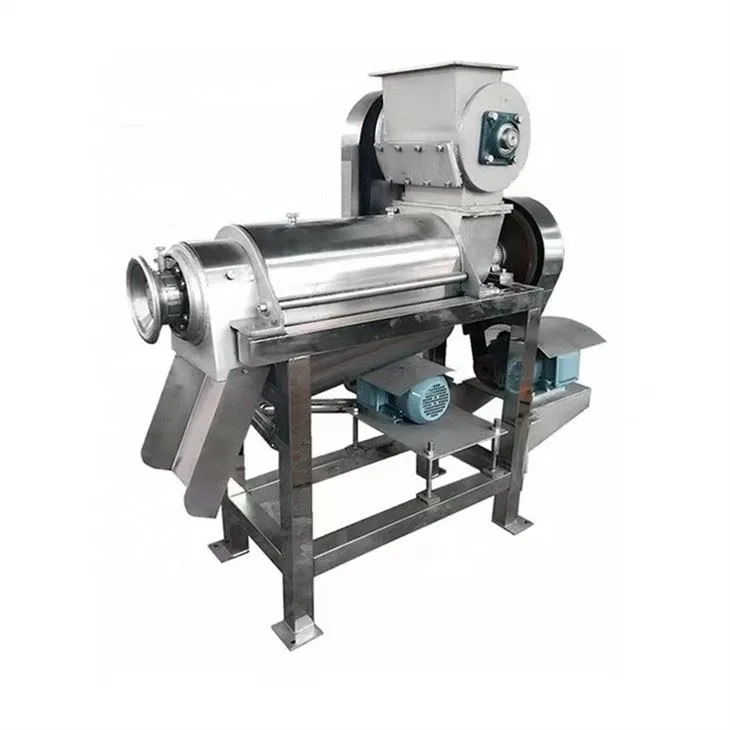
Coconut is a fruit by every trade definition that matters to this catalogue, and its processing is mechanically distinct: the value sits in the kernel’s fat, and getting it out is a two-step job — open up the cell structure by grating, then squeeze the gratings. A coconut milk extractor does both in sequence, turning halved, shelled nuts into milk of a specified fat content with the residual press cake as a continuous second stream.
How it works
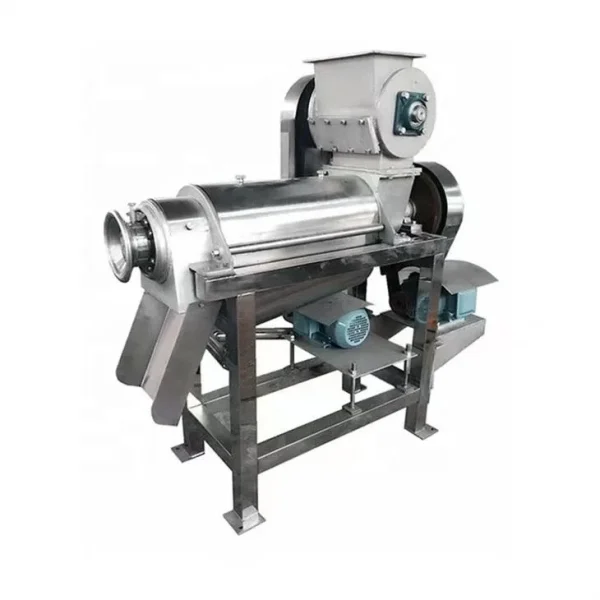
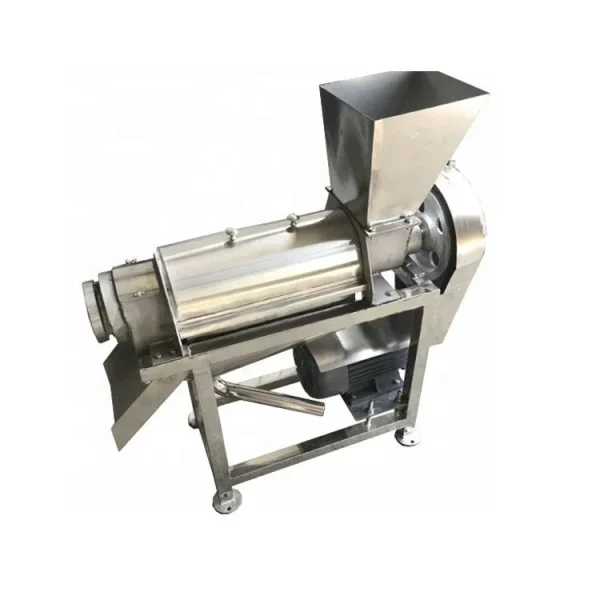
Shelled kernel is fed to the grating section, where drum or disc grinders reduce it to fine meal — the finer the grate, the more cells opened and the higher the yield. The meal drops into the pressing section, usually a screw press whose decreasing channel volume squeezes the gratings against a barrel screen; milk flows out through the screen slots while the press cake extrudes at the discharge end, dewatered. Milk fat concentration is controlled by press pressure and whether water is added at the feed (wet pressing dilutes and raises total yield; dry pressing gives a thicker first milk). Both streams leave continuously; the press cake — valuable as flour, animal feed or desiccated coconut feedstock — should be planned for, not swept aside.
Suitable for
Coconut milk and cream production for food manufacturing, from curries to confectionery; desiccated coconut operations adding a milk line to the same kernel stream; smallholder and cooperative processing where kernel currently goes to market raw and value is added downstream; producers of coconut-based beverages feeding an homogeniser and UHT line downstream.
Not suitable for
Whole-nut intake — husking, de-husking and shelling are separate machines and separate costs; operations without cold-chain or pasteurising behind the extractor, because fresh coconut milk spoils fast; buyers expecting a dry powder output directly — milk is the product here; flour and desiccated products need a drying train after the press cake.
Material & compliance
Hopper, grating drum, screw and barrel screen in SUS304 (EN 1.4301); grating surfaces hardened stainless, replaceable as wear items. Food-contact welds ground smooth; the machine opens for wash-down — coconut oil residues build on every surface and turn rancid if cleaning is difficult. Screw press drive guarded; barrel access interlocked for jam clearing.
Supplied with CE declaration of conformity and DoC on request; material certificate EN 10204 3.1 available for contact parts.
Selection notes
Ask for milk yield per kilo of kernel and the fat concentration range the press achieves — those two numbers are the machine. Ask how grate fineness is set and how the grating surfaces are replaced, because they are the wear item that quietly sets the yield. Check whether the press handles wet and dry pressing and how the change is made. Check the press cake’s exit moisture, since it decides your options for the cake. And check cleaning access honestly — rancid coconut oil in a badly designed machine is a flavour defect no marketing fixes.
When you should not buy this machine: If your raw material is desiccated coconut bought by the bag, a mixer and press stage is all you need — grating capacity you do not use is cost without function. And if your market is oil, a coconut oil press line is a different machine with different economics; milk and oil share a fruit but not a process.
Key specifications
| Parameter | Value |
| Kernel capacity | 500-2000 kg/h by model (TYPICAL, confirm with factory) |
| Sections | Grater + screw press in line |
| Milk yield | 55-70 % by kernel weight, wet press (TYPICAL) |
| Milk fat | 17-35 % by press setting (TYPICAL) |
| Press cake moisture | 30-45 % at discharge (TYPICAL) |
| Grating surface | Hardened stainless, replaceable |
| Contact material | SUS304 (EN 1.4301) |
| Power supply | 380V/3P/50Hz or 415V/3P/50Hz, customizable |
Specification values are industry-typical ranges for this machine class and are not verified against a specific factory datasheet. Replace them with measured factory data before publication.
FAQ
Does it need water added to make milk?
For thick first milk, no — the kernel’s own moisture carries it. Adding water at the feed (wet pressing) raises total milk volume at lower fat concentration, which suits beverage production. The press handles both; the recipe decides.
What happens to the press cake?
It leaves dewatered and is genuinely valuable: coconut flour, animal feed, or feedstock for desiccated coconut products. Plan its collection and drying at purchase time — cake handled well is a second revenue line, cake left in a heap is a hygiene problem within a shift.
Can it run other kernels or nuts?
Grating and pressing mechanics generalise to similar high-fat kernels, but screen sizes and press settings are per product. Ask the supplier to trial your actual material before assuming universality.
Related equipment
This unit is one stage of a complete processing line. For the full range of pulping and juicing equipment, or to compare this model against the Fruit Pulper & Refiner 2000 kg/h, see the complete equipment catalogue. Capacity, material grade and utility requirements can be confirmed through a quote request.
Reviews
There are no reviews yet.