
Tomato Grading Machine 4 t/h
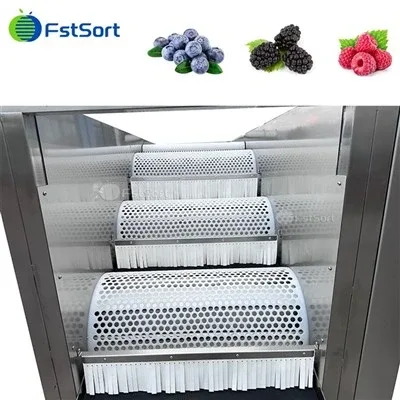
Tomatoes bruise if you look at them wrong, and buyers size-grade them strictly — which makes grading the most delicate job on the tomato line. Hand sizing is gentle but slow; hard machinery is fast but damaging. The tomato grading machine is engineered between those failures: soft rollers or carriers present each fruit to widening gaps, supporting it on rotating contact that never squeezes, so a mixed harvest exits in clean diameter classes with the skin — and the price — intact.
How it works
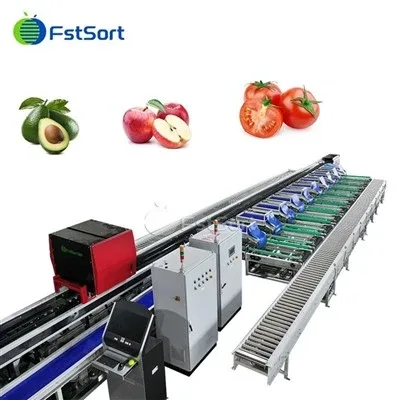
Washed tomatoes feed single-layer onto a grading bed of rotating soft rollers or belt carriers. Two principles run: roller-gap beds where opposing rollers widen the gap along the length, dropping each fruit at its diameter; and carrier beds where fruit rides cups through staged size gates. Both rely on the roller rotation matching fruit surface speed, so fruit rolls instead of drags — the detail that keeps bruising off the report. Classes drop through cushioned chutes to takeaway belts or bins, and band edges are set and marked per class. Cherry and grape tomatoes run the same principle at smaller gaps and higher counts per kilo.
Suitable for
Fresh-market tomato packers sizing round and oblate fruit into count classes; cherry and grape tomato lines running high counts at small diameters; processing intake splitting fruit by size before dicing or pulping lines; greenhouse operations grading continuous harvest through the season; co-operatives combining member fruit into uniform buyer lots at pack rate.
Not suitable for
Dirty field fruit — washing and drying come first, and wet fruit rides rollers badly; grading for internal quality — colour, rot and defects need an optic, and the sizer passes them faithfully; overripe fruit too soft for any roller contact, which belongs in processing by default; and small farm-gate volumes, where a sizing rings and a table remain the honest tools.
Material & compliance
Frame and chutes in SUS304 (EN 1.4301) or food-grade contact surfaces; fruit-contact rollers food-grade soft compound with cushioned drops; sealed washdown bearings and motors; class settings marked and repeatable, with drop heights matched to bruise tolerance per fruit type.
Supplied with CE declaration of conformity and DoC on request; food-contact declarations for roller materials.
Selection notes
Start from the fruit spec: diameters, varieties, and the class plan your buyers actually enforce — band count and bed length price the machine. Ask for bruise-test references on tomatoes specifically, because this crop exposes any rough edge in a bed design. Confirm the drop path fruit-by-fruit: every chute is a bruise opportunity, and short cushioned drops are the engineering answer. Check wet-fruit behaviour — tomato lines run washed fruit, and rollers that slip on wet skin grade badly; ask how the bed handles it. And match capacity to your washing line’s honest output, since the grader can only size what arrives single-layer.
When you should not buy this machine: If your market takes field-run fruit by the bin, grading adds cost nobody pays for. And if your real problem is quality rejection — rot, colour, blemish — an optic or better growing answers it; a sizer makes uniform boxes of whatever arrives, including defects.
Key specifications
| Parameter | Value |
| Capacity | 2000-6000 kg/h single-layer (TYPICAL, confirm with factory) |
| Grading classes | 4-8 diameter bands, adjustable (TYPICAL) |
| Fruit range | 20-90 mm by bed model (TYPICAL) |
| Bed principle | Soft roller-gap or carrier, speed-matched |
| Discharge | Cushioned per-class chutes to belts / bins |
| Contact material | SUS304 frame, food-grade rollers |
| Power supply | 380V/3P/50Hz, 2-5 kW class |
Specification values are industry-typical ranges for this machine class and are not verified against a specific factory datasheet. Replace them with measured factory data before publication.
FAQ
Can it grade cherry tomatoes without damage?
Yes — same principle at smaller gaps with finer rollers, and the counts per kilo are high, which is exactly where mechanical grading pays. Confirm the bed model covers your smallest diameter and ask for a cherry-line reference before signing.
Roller or camera grading for tomatoes?
Rollers size; cameras sort quality. Many premium lines run both — roller grader for classes, optic for colour and defects. If your buyers enforce colour breaks or defect limits, price the optic into the project from the start rather than retrofitting.
How is bruising actually controlled?
Contact speed, drop height and cushioning — rollers matched to fruit surface speed, short drops, soft chutes. Ask the factory to show the fruit path end to end at working speed; the demo answers more than the datasheet.
Related equipment
This unit is one stage of a complete processing line. For the full range of sorting and grading equipment, or to compare this model against the Roller Size Grading Machine 3000 kg/h, see the complete equipment catalogue. Capacity, material grade and utility requirements can be confirmed through a quote request.
Reviews
There are no reviews yet.