Carrot Juice Extractor 1 t/h
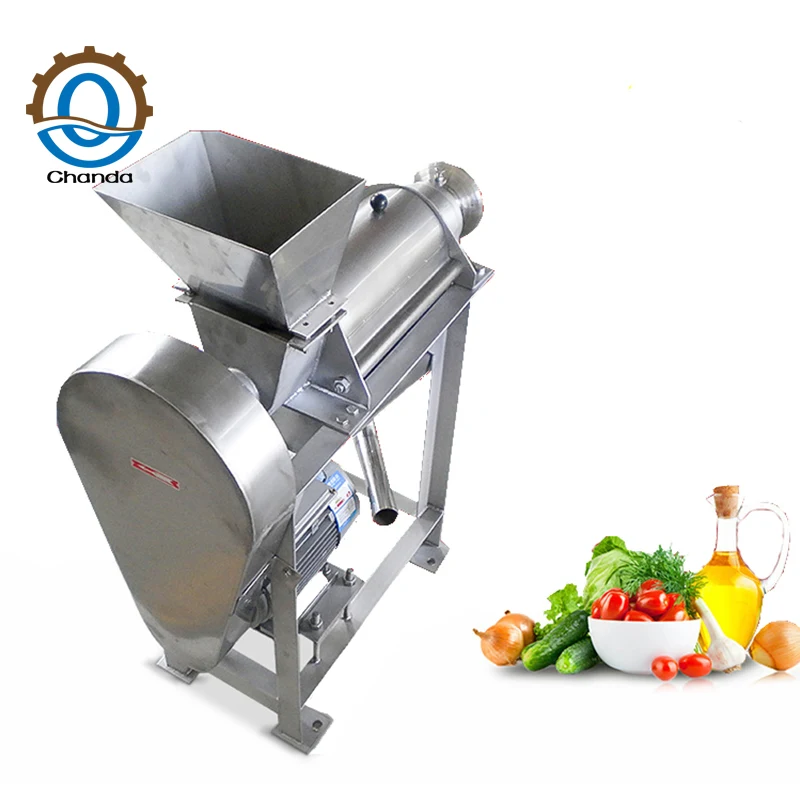
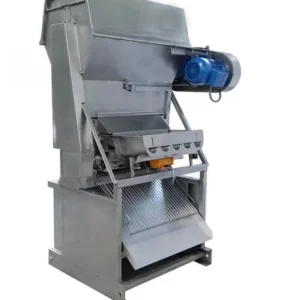
Carrot holds its juice the way it holds its shape — stubbornly. The root is dense, fibrous and low in free-run liquid, and a generic juicer leaves half the yield in the pomace while grinding fibre into the juice, where it darkens and shortens shelf life. A carrot juice extractor is engineered around that reluctance: fine crushing to open the cells, then screw pressing that squeezes the mash progressively, so yield climbs without grinding fibre into the product — and the juice leaves bright enough to survive the bottle.
How it works
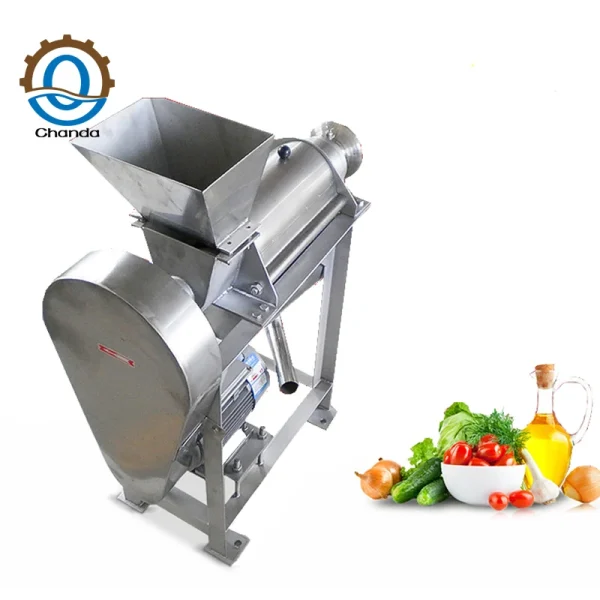
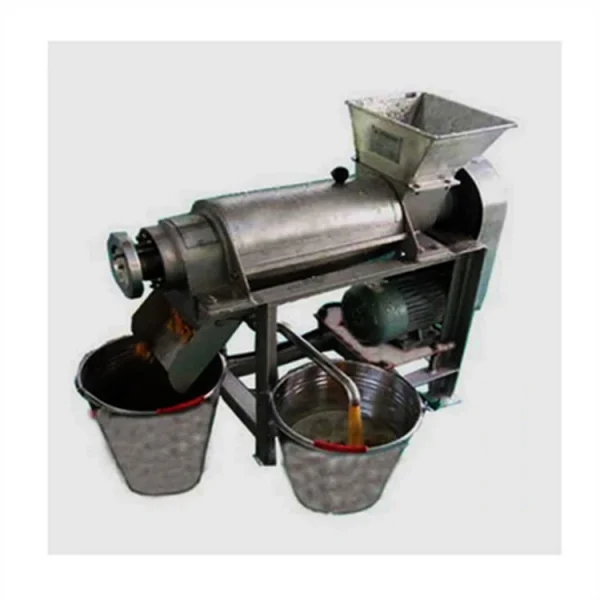
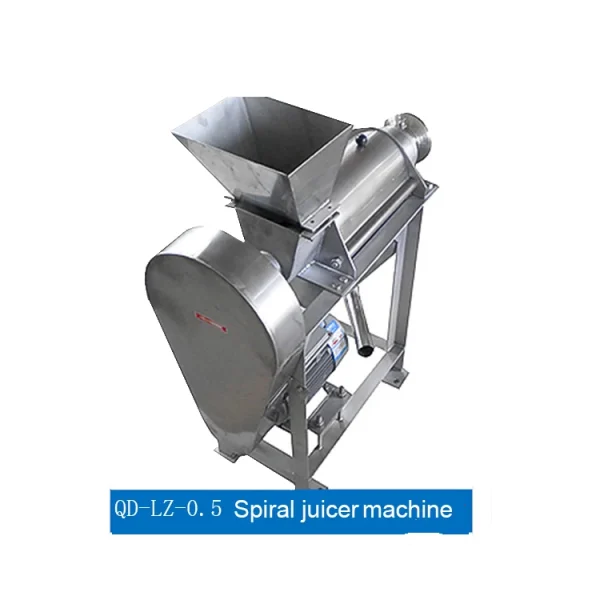
Washed, milled carrot mash feeds into a screw press: a stainless screw turns inside a perforated cage, its pitch narrowing toward the discharge so pressure on the mash builds progressively. Juice exits through the screen; pomace exits dry at the end, and back-pressure controls set how hard the press squeezes. Yield and juice quality trade against each other — higher pressure lifts yield but risks pressing fine fibre through the screen — so screen size and screw speed are the tuning pair. Some lines add enzyme or mash heating upstream to free more juice; the extractor’s job is mechanical, and the colour and sweetness follow the root and the process around it.
Suitable for
NFC carrot juice lines pressing fresh mash at retail scale; juice-blending plants adding carrot to mixed vegetable juices; baby-food and puree producers extracting carrot juice for formulations; co-operatives adding value to gluts as bulk juice; root-juice processors sharing the press across carrot, beetroot and celery duties.
Not suitable for
Whole-root retail, which needs no juice capital; citrus-style juice extraction, whose reamers and cups fit soft fruit and not dense roots; tiny juice-bar volumes where a bench juicer serves; and buyers without pasteurization downstream — raw carrot juice is a fresh product with a short, unkind shelf life.
Material & compliance
Hopper, screw, cage and chutes in SUS304 (EN 1.4301) food-grade finish; perforated pressing cage food-grade with documented screen sizes; pomace discharge separated from juice path; washdown drives and CIP-friendly access for the fibrous residue environment.
Supplied with CE declaration of conformity and DoC on request; material certificate EN 10204 3.1 available for contact parts.
Selection notes
Bring mash, not promises: milling fineness before the press moves yield more than any screw setting, so trial the extractor with your mill, not the factory’s. Ask for the yield number at your back-pressure setting and the pomace moisture that comes with it — dry pomace is money left in the waste bin. Confirm the screen range and changeover time; fine screens lift clarity and cost throughput. Check fibre-in-juice data, since the fine fibres that pass the screen are what darken and destabilise the bottle. And verify CIP access on the cage — carrot fibre packs screens, and a press you cannot strip daily becomes the line’s hygiene risk.
When you should not buy this machine: If your carrot juice volume is tens of litres an hour for a juice bar, a bench juicer holds the quality at a fraction of the price. And if your real product is carrot pulp for baking or pet food, a mill and dewatering screw is the simpler tool — the extractor earns its keep on juice as the product, not as a by-product.
Key specifications
| Parameter | Value |
| Capacity | 500-2000 kg/h mash by screw model (TYPICAL, confirm with factory) |
| Yield | 55-75% by mill fineness and pressure (TYPICAL) |
| Pressing | Progressive screw in perforated cage |
| Pomace | Continuous dry discharge, moisture set by back-pressure |
| Contact material | SUS304 (EN 1.4301) |
| Power supply | 380V/3P/50Hz, 3-7 kW class |
Specification values are industry-typical ranges for this machine class and are not verified against a specific factory datasheet. Replace them with measured factory data before publication.
FAQ
What yield should we expect from carrot?
Well-milled mash and a tuned press commonly reach the mid-to-high yield range, but the honest number comes from a trial on your roots at your mill setting — variety and season move it more than machine choice does. Get yield and pomace moisture together; one without the other hides the trade.
Why does our juice darken after bottling?
Fine fibre and pulp carry enzymes and oxidise. The press controls fibre with screen choice; the process controls the rest with rapid chilling, pasteurization or de-aeration downstream. Ask for fibre-in-juice data at each screen size before setting your spec.
Can one press serve beetroot and celery too?
Usually yes — progressive screw pressing is root-agnostic within the cage range, with screen and pressure changes per crop. Confirm throughput and yield per crop at trial; beetroot’s sugar and celery’s water content behave differently through the same cage.
Related equipment
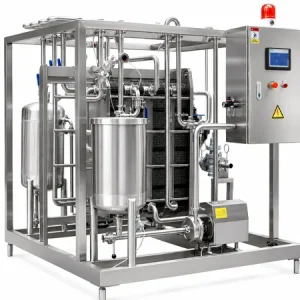
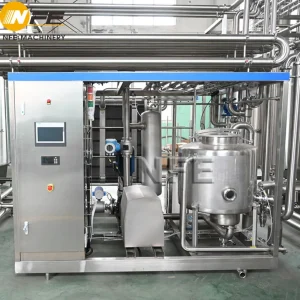
This unit is one stage of a complete processing line. For the full range of pulping and juicing equipment, or to compare this model against the Screw Press Juice Extractor 3000 kg/h, see the complete equipment catalogue. Capacity, material grade and utility requirements can be confirmed through a quote request.
Reviews
There are no reviews yet.