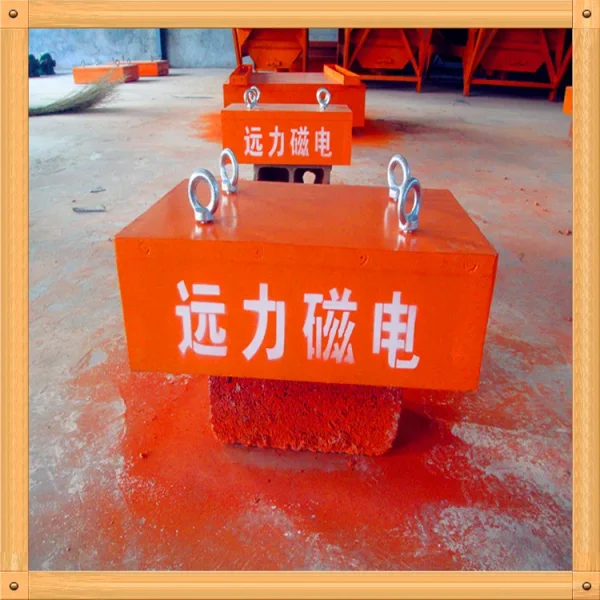
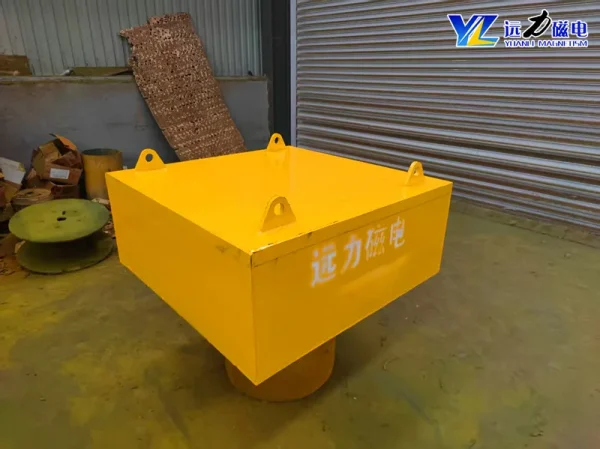

Belt Magnetic Separator 800 mm
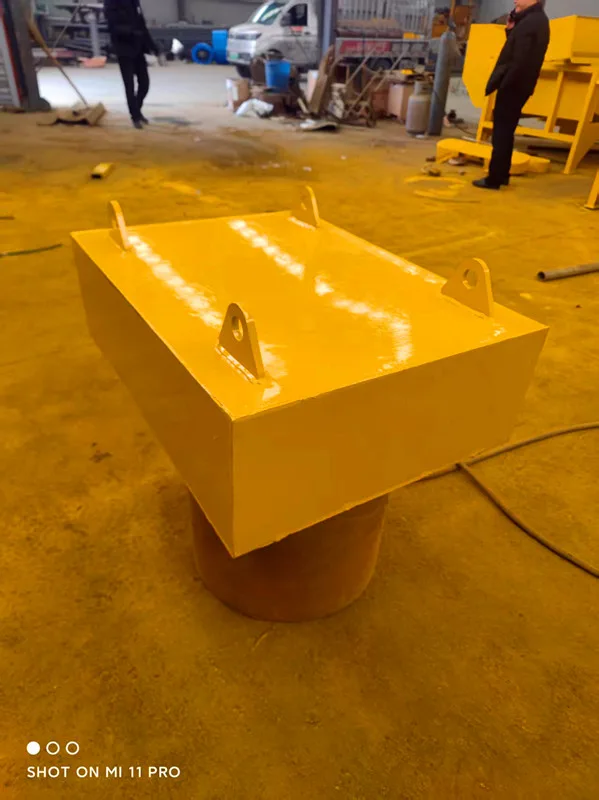
Separation unit that stands between raw produce and every machine downstream of it. Cutters, mills, fillers and heat exchangers are all damaged by ferrous metal, and the metal that finds its way into a vegetable stream comes from field debris, wire fragments, bolts that worked loose upstream and packaging staples. A magnetic separator is cheap insurance, and it is the one machine on a line that exists purely to protect the others.
How it works
Product is fed onto a belt that carries it across a magnetic core, either over it on a flat arrangement or around it where the product wraps the head pulley. Ferrous particles are held against the belt by the magnetic field while the non-magnetic product continues forward and drops off. The captured metal is carried past the product discharge and either wiped off manually into a collection chute or, on self-cleaning designs, released and carried around by a second belt to the same chute.
The physics limits what it catches. Magnetic separation works on ferrous and some weakly magnetic material; aluminium, copper and most stainless grades are effectively invisible to it. That is why the industry pairs magnetic separation with metal detection: the magnet removes the large ferrous share that would damage machines, and the detector downstream catches what the magnet cannot see. A plant relying on a magnet alone for food-safety metal control is missing the point of both machines.
Suitable for
Lines feeding cutters, slicers, mills and pumps, where metal damage stops production and sends fragments downstream; fresh vegetable operations with field debris history; processed product streams from cookers and fryers where equipment wear is a known metal source; plants required to protect an investment in tooling with a cheap upstream device; any line where a ferrous fragment reaching a buyer is the failure being defended against.
Not suitable for
As the only metal-control device on a food line — it cannot detect aluminium, copper or most stainless steel, and a detector is required alongside it; non-ferrous contamination problems, where an eddy-current or X-ray system is the right tool; streams too deep or too fast for the product layer to reach the magnetic field’s effective range; applications needing metal detection rather than removal, since the magnet removes but does not record or reject.
Material & compliance
Frame, belt covers, chutes and guards in SUS304 (EN 1.4301); magnetic cores sealed and fully enclosed so the product cannot reach the magnet surface. Belt material food-grade and replaceable as a wear part; the belt cover opens for inspection without exposing the magnetic circuit. Metal collection chute arranged for clean-out and secured against casual access.
Supplied with CE declaration of conformity and DoC on request; material certificate EN 10204 3.1 available for contact parts.
Selection notes
Ask for the magnetic strength measured at the product layer, not at the bare magnet face — the product depth between the magnet and the material being captured is the whole performance question, and catalogue numbers quote the wrong point. Ask whether the design is permanent or electromagnetic, and what power the electromagnetic version draws. Check the cleaning arrangement: a manual wipe-off that nobody does becomes a belt that re-drops captured metal back into the product. Check how the machine handles metal that passes through in a tight clump rather than as single fragments.
When you should not buy this machine: If your metal control programme is a food-safety specification, buy the detector first and treat the magnet as machine protection — one does not substitute for the other. And if your product stream carries almost no ferrous risk because everything upstream is plastic and stainless, the magnet is protecting against a problem you may not have; verify your contamination history before specifying.
Key specifications
| Parameter | Value |
| Belt width | 500-1200 mm by line (TYPICAL, confirm with factory) |
| Magnet type | Permanent rare-earth or electromagnetic |
| Magnetic strength | Measured at the product layer (TYPICAL) |
| Capacity | Set by belt speed and layer depth |
| Cleaning | Manual wipe-off or self-cleaning belt |
| Detection | Ferrous and some weakly magnetic metals only |
| Contact material | SUS304 (EN 1.4301) |
| Power supply | 380V/3P/50Hz or 415V/3P/50Hz, customizable |
Specification values are industry-typical ranges for this machine class and are not verified against a specific factory datasheet. Replace them with measured factory data before publication.
FAQ
Is a magnetic separator enough for metal control?
No, and this is the most common misconception. Magnets catch ferrous metal only. Aluminium, copper and most stainless grades pass straight through, and those are the fragments that reach finished product. Pair the magnet with a metal detector downstream.
How often does the captured metal need removing?
On self-cleaning designs, continuously. On manual wipe-off designs, at a defined interval set by what the line is actually catching — start daily and adjust from the collection chute contents. Captured metal held too long can drop back into the product stream.
Does it work on frozen product?
Yes, with design adjustment. Frozen or partially frozen product needs different belt loading and sometimes a different magnetic arrangement, because product hardness changes how deep the material sits on the belt. State your product state at purchase.
Related equipment
This unit is one stage of a complete processing line. For the full range of sorting and grading equipment, or to compare this model against the Metal Detector Conveyor 2000 kg/h, see the complete equipment catalogue. Capacity, material grade and utility requirements can be confirmed through a quote request.

Reviews
There are no reviews yet.