
Continuous Pasteurizer
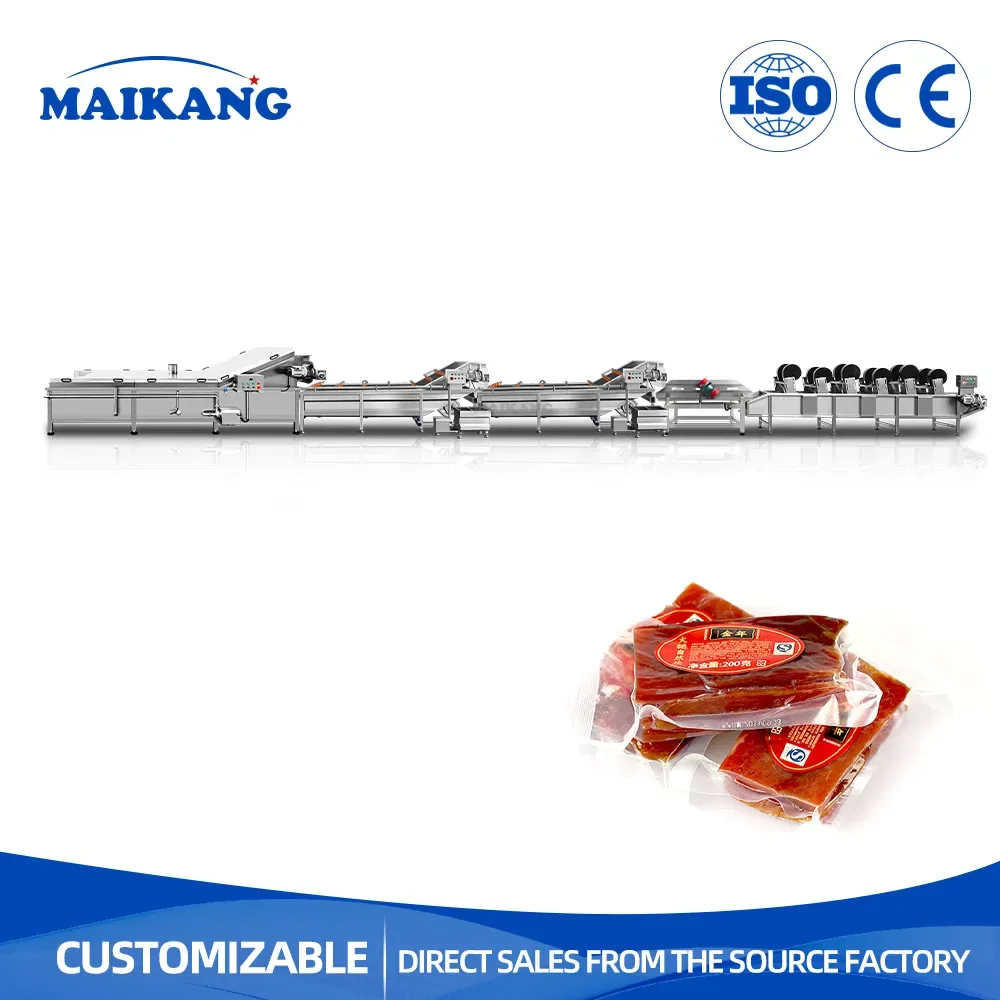
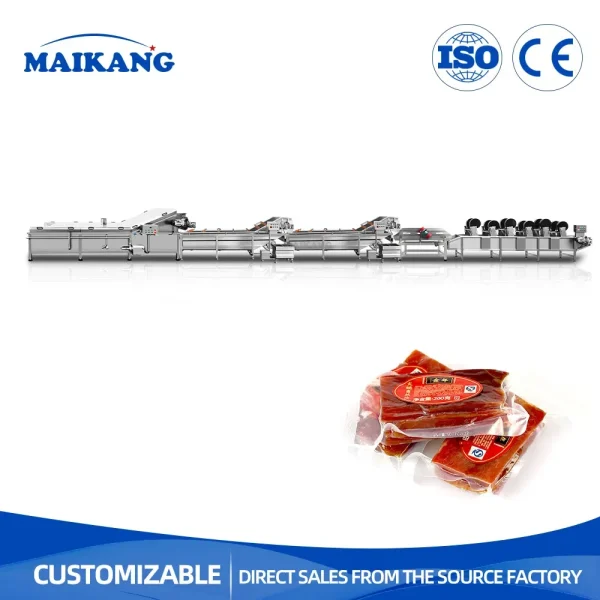
Continuous pasteurizer that carries product — pumped liquid or packaged goods — through controlled heating, holding and cooling zones to reach a defined microbiological target.
How it works
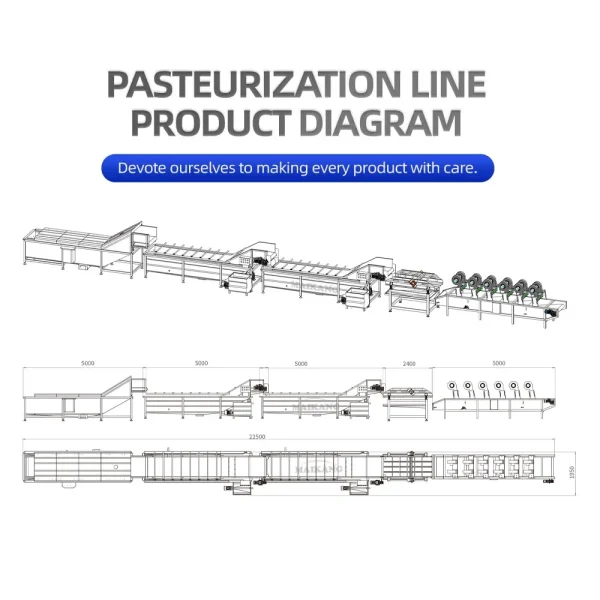
For pumped product, liquid passes through a plate, tubular or scraped-surface heat exchanger, then a holding tube sized so that every particle spends the required time at temperature, then a cooling section and often a regenerative section that recovers heat from the hot product. For packaged product, a tunnel sprays progressively hotter then progressively colder water over containers on a belt. In both cases the outcome depends on the coldest particle, not the average.
The holding tube or the slowest container is what defines the process: heating faster does not compensate for a short hold, because the microbial kill is a function of time and temperature together.
Suitable for
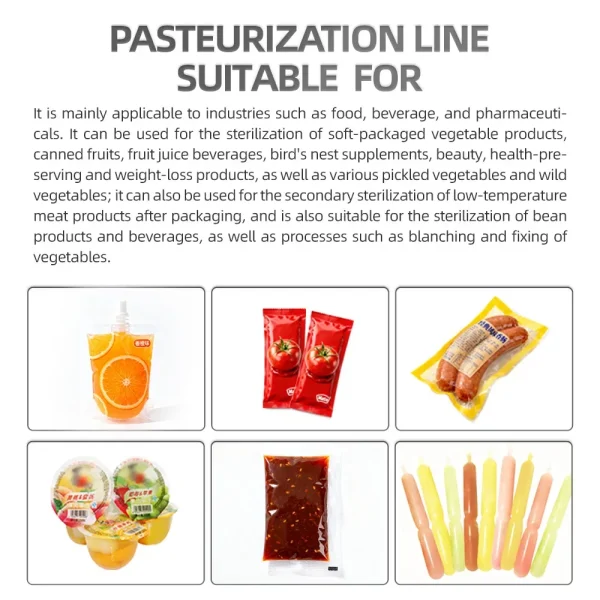
Fruit purees, juices and concentrates; tomato products before aseptic or hot fill; packed pickles and sauces in jars or pouches; product where a defined pasteurization value must be documented; lines moving from batch pasteurization to continuous.
Not suitable for
Product requiring full sterilization or retorting, which needs higher temperatures under pressure; very high-viscosity or particulated product without a scraped-surface or tubular design sized for particles; low-volume production where a jacketed kettle is simpler.
Material & compliance
Product contact surfaces in SUS304 (EN 1.4301); SUS316L (EN 1.4404) on request for high-acid or high-salt product. Holding tube, temperature recording and diversion valve documented for the process; CIP circuit designed for the product.
Supplied with CE declaration of conformity and DoC on request; material certificate EN 10204 3.1 available for contact parts. Pressure vessels and pipework carry the documentation required for the operating envelope.
Selection notes
Start from the pasteurization value you must achieve, then size the hold — capacity follows from that, not the other way round. Ask how temperature is recorded and what happens on a deviation: a diversion valve on low temperature is standard and should not be optional. Check how much heat is recovered regeneratively, since that dominates running cost on liquid product.
When you should not buy this machine: If you need commercial sterility for ambient shelf-stable low-acid product, this is not the machine — you need a retort or an aseptic system. Also skip a plate heat exchanger for pulpy or particulated product: it will foul, and a tubular or scraped-surface design is the correct choice.
Key specifications
| Parameter | Value |
| Capacity | 500-10000 kg/h by configuration (TYPICAL, confirm with factory) |
| Pasteurization temperature | 72-95 °C by product (TYPICAL) |
| Holding time | Set by belt speed or holding tube length (TYPICAL) |
| Zones | Heat, hold, pre-cool, final cool (TYPICAL) |
| Heating source | Steam or electric (TYPICAL) |
| Contact material | SUS304 (EN 1.4301); SUS316L on request |
| Power supply | 380V/3P/50Hz or 415V/3P/50Hz, customizable |
Specification values are industry-typical ranges for this machine class and are not verified against a specific factory datasheet. Replace them with measured factory data before publication.
FAQ
Pasteurization or sterilization — which do I need?
Pasteurization targets vegetative pathogens and extends chilled or acid-product shelf life. Sterilization targets spores and gives ambient-stable low-acid product. The choice follows from your product pH and intended storage, not from the machine.
How is the holding time guaranteed?
By the holding tube length and flow rate for liquid lines, or by belt speed and the coldest container position for tunnels. It must be verified by measurement, with a diversion valve that returns under-processed product.
Can I pasteurize pulpy juice in a plate exchanger?
Usually not for long. Pulp fouls the plates and reduces heat transfer quickly. Use a tubular or scraped-surface design for pulpy and particulated product.
Related equipment
This unit is one stage of a complete processing line. For the full range of cooking and blanching equipment, or to compare this model against the Continuous Belt Blancher 2500 kg/h, see the complete equipment catalogue. Capacity, material grade and utility requirements can be confirmed through a quote request.
Reviews
There are no reviews yet.