Apple Pulping Machine 2 t/h
Apple pulp is a texture promise — sauce, baby food and filling buyers specify fineness, and the pulper is where it is kept or broken. Crush apples coarsely and the pulp carries skin flecks and seed grit; refine it crudely and the texture breaks down into weeping separates. An apple pulping machine runs the job in ordered stages — crush, then beat-and-screen refinement — so the pulp exiting matches the spec sheet, with skin and seeds out a separate waste stream and texture left to a screen choice, not a compromise.
How it works
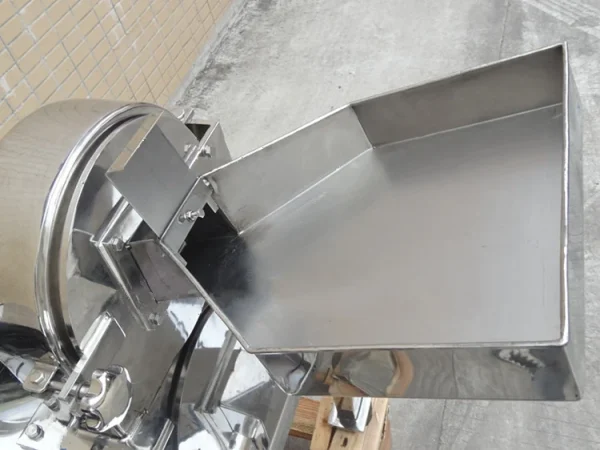
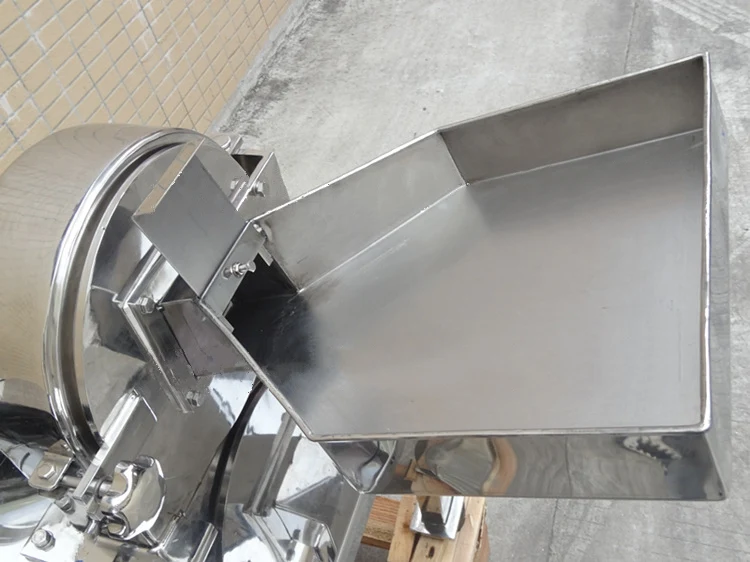
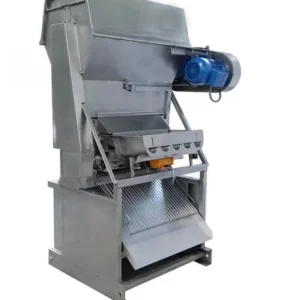
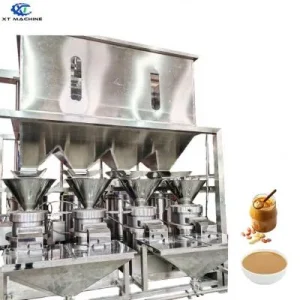
Cored apples feed into a crushing stage — hammers, blades or rollers — that breaks fruit into coarse mash. The mash then passes a beater-and-screen stage: rotating paddles force pulp through perforated stainless screens while skin and seed fragments scrape along the screen to a separate discharge. Twin-stage machines run coarse then fine screens in series, so exit fineness is a screen swap, not a rebuild. For sauce-grade pulp the line often adds an inline heating stage for enzyme control before refinement; the pulper’s job is mechanical, and the Brix and colour follow upstream fruit and any hold stage. Screens, beater speed and stage count set the texture.
Suitable for
Apple sauce and puree producers feeding filling, jar and retail lines; baby-food plants whose fineness spec sits at the fine-screen end; bakery filling factories running apple-based preparations; juice and cider plants pre-crushing for pressing efficiency; co-operatives processing gluts into bulk pulp for sale.
Not suitable for
Whole-apple packing and fresh-cut slices, which need no pulping; juice-only pressing where a crusher without screens is the cheaper right tool; very small volumes where a bench pulper serves; and buyers without oxidation control — crushed apple browns in minutes, so vitamin C dosing or heating must follow immediately.
Material & compliance
Hoppers, beaters, screens and chutes in SUS304 (EN 1.4301) food-grade finish; screens food-grade perforated stainless with documented change sizes; waste discharge separating skin and seed; washdown construction for the sugar-and-acid environment.
Supplied with CE declaration of conformity and DoC on request; material certificate EN 10204 3.1 available for contact parts.
Selection notes
Start from the texture spec: screen aperture is the texture lever, so bring your buyer’s fineness requirement and confirm the screen range covers it, with changeover time if you run multiple grades. Ask for seed-fragment counts in finished pulp at your screen size — baby-food buyers test it and the number separates real refiners from relabelled crushers. Confirm capacity at your apple condition: soft stored fruit pulp easier than firm new-season fruit, and the datasheet rate is usually the soft number. Check the waste auger sizing, since skin exits wet and heavy. And verify oxidation control in the layout — the pulper’s discharge must reach heating, chilling or dosing within minutes.
When you should not buy this machine: If your volume is a few hundred kilos a day, a bench pulper and fine strainer hold the quality without the capital. And if your product is clear juice, skip the screens — a crusher and press line extracts more efficiently than refining pulp you will press anyway.
Key specifications
| Parameter | Value |
| Capacity | 1000-3000 kg/h by fruit condition and screen (TYPICAL, confirm with factory) |
| Stages | Crush + single or twin screen refinement (TYPICAL) |
| Screen sizes | 0.4-1.5 mm fine range (TYPICAL) |
| Waste | Skin and seed separate discharge |
| Contact material | SUS304 (EN 1.4301) |
| Power supply | 380V/3P/50Hz, 4-11 kW class |
Specification values are industry-typical ranges for this machine class and are not verified against a specific factory datasheet. Replace them with measured factory data before publication.
FAQ
Do we need to core apples before pulping?
Screens catch seeds, but cores add woody fibre that loads the waste stream and can nick fine screens. A coring or milling pass upstream is recommended at volume — cheaper screens and cleaner pulp pay for it quickly.
How do we keep the pulp from browning?
Process speed and chemistry: crush-to-heating or crush-to-chilling within minutes, or vitamin C dosing at the discharge. The pulper runs mechanical only; colour control is the line design around it.
What pulp fineness should we run?
Screen aperture decides it — 0.4-0.6 mm for baby food and smooth sauce, coarser for chunky preparations. Ask for the factory’s screen range and get seed-count data at each size; buyers test fineness and seeds before anything else.
Related equipment
This unit is one stage of a complete processing line. For the full range of pulping and juicing equipment, or to compare this model against the Fruit Pulper & Refiner 2000 kg/h, see the complete equipment catalogue. Capacity, material grade and utility requirements can be confirmed through a quote request.
Reviews
There are no reviews yet.