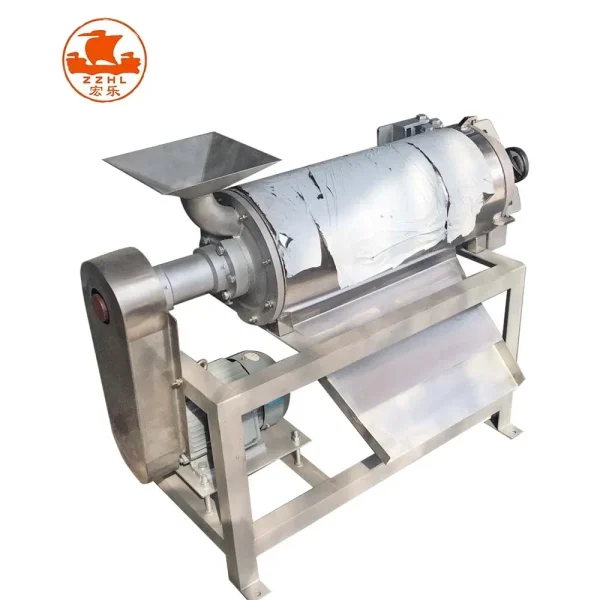
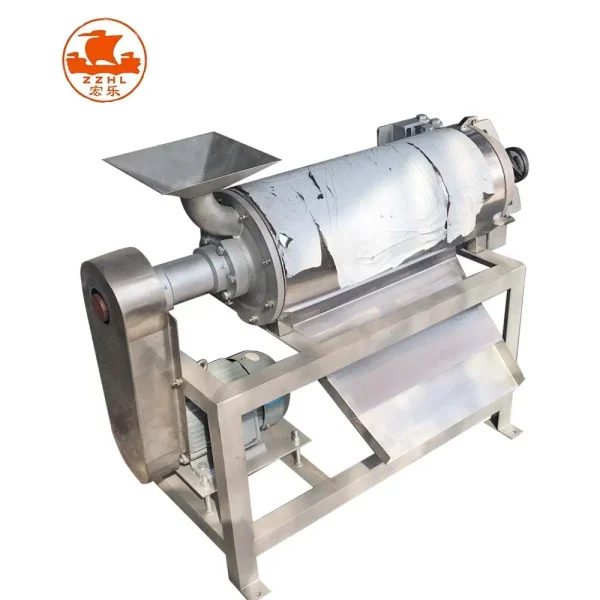
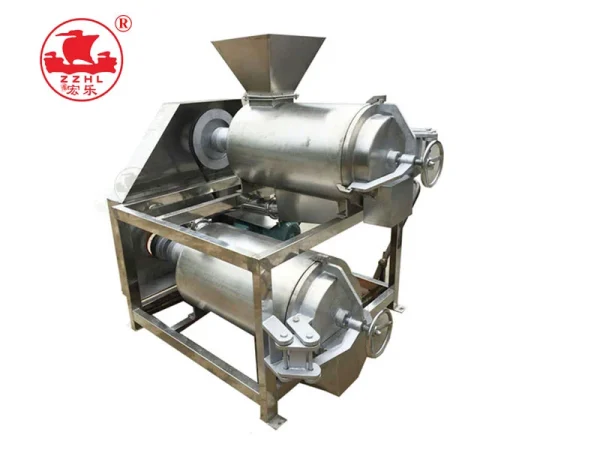
Peach Pulping Machine 2 t/h
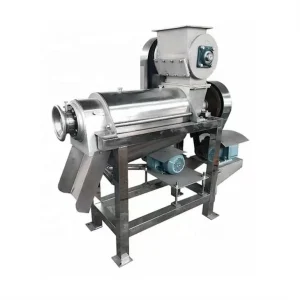
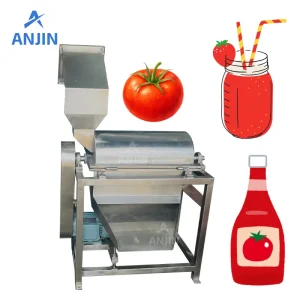
Peach exposes the difference between grinding and pulping. Feed stone fruit into a crusher and you get nectar — and pit dust, skin flakes and bruised-brown flesh in the bargain. Peach pulp for nectar, yoghurt base and baby food is a defined product: flesh through a fine screen, skin and any stone fragments out, colour protected from the enzymatic browning that starts the moment cells break. A peach pulping machine beats ripe fruit against a screen instead of crushing it — pulp passes, everything else discharges — with stainless contact and fast throughput that keeps the browning clock from winning.
How it works
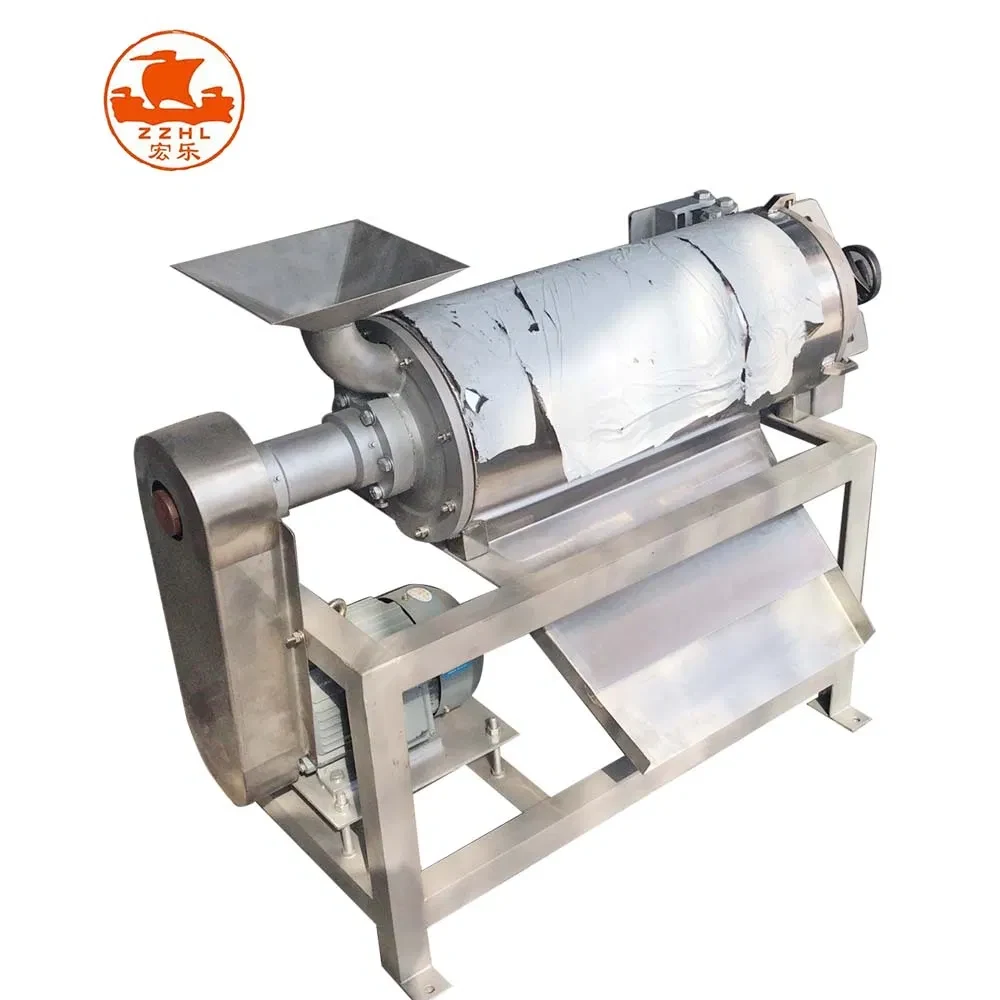
Ripe, pre-sorted peaches feed into a beater chamber where paddles or blades spin fruit against a cylindrical screen. Pulp and juice pass the screen apertures — typically 0.5-1.2 mm for nectar duty — while skin and any pit fragments travel the chamber and discharge as waste. Screen aperture and beater speed set pulp fineness; double-channel machines run a second, finer beating stage in series for baby-food grade smoothness. Contact parts in stainless with open, washable construction, because peach sugars and enzymes load surfaces fast. Output flows straight to deaeration, pasteurisation or filling while still fresh-beaten.
Suitable for
Nectar and juice producers pulping peaches ahead of blending and filling; yoghurt and dairy suppliers making peach fruit bases; baby-food processors needing fine, stone-free purée; jam and preserve kitchens pulping at season peak; frozen-pulp plants beating and filling before blast freezing.
Not suitable for
Whole-fruit canning, which needs pitting and halving lines instead; crushing for cloudy juice where some skin and texture is wanted — a crusher does that cheaper; unripe or mealy fruit, which beats poorly and yields bitter notes whatever the machine; and operations without cooling or immediate pasteurisation behind the pulper, since beaten peach waits for nobody.
Material & compliance
Beater chamber, screen, paddles, chutes and frame in SUS304 (EN 1.4301) food-grade finish; screens food-safe with documented aperture tolerance; sealed washdown drives; tool-free screen and paddle access for sanitation.
Supplied with CE declaration of conformity and DoC on request; material certificate EN 10204 3.1 available for contact parts.
Selection notes
Define the fineness target before shopping: nectar, yoghurt base and baby food pull the same machine through different screens, and the screen set is half the purchase. Ask how the machine handles pit fragments — the honest answer is upstream pit removal plus a fragment-tolerant discharge, not promises the screen catches everything. Confirm capacity at your ripeness window, because overripe fruit yields fast and underripe fruit fights the beater. Check browning control on your side of the fence: pulping speed, hold-up volume and CIP access matter more than motor rating. And get the waste-stream picture — skin and fragment discharge should be continuous and dry-handed, not a dribble onto the floor.
When you should not buy this machine: If your peach runs are short and jam-bound, a batch beater-finisher at smaller scale matches the work. And if your real product is cloudy juice with texture, a crusher-finishing line costs less and tastes the way your buyers expect.
Key specifications
| Parameter | Value |
| Capacity | 1-3 t/h by fruit ripeness (TYPICAL, confirm with factory) |
| Screen aperture | 0.5-1.2 mm standard sets (TYPICAL) |
| Stages | Single or double channel (TYPICAL) |
| Fruit prep | Pitted or halved fruit infeed (TYPICAL) |
| Contact material | SUS304 (EN 1.4301) |
| Power supply | 380V/3P/50Hz, 3-7 kW class |
Specification values are industry-typical ranges for this machine class and are not verified against a specific factory datasheet. Replace them with measured factory data before publication.
FAQ
Does the machine remove the pit?
No — pits are removed upstream by pitting or halving. The pulper’s job is to keep any fragments that slip through out of the pulp via the waste discharge, and to beat flesh against the screen rather than crush stone into it. Buy the upstream pitting step honestly.
How is browning controlled after pulping?
Speed to the next stage: deaerate, pasteurise or freeze promptly, and minimise hold-up volume in the machine itself. Some plants dose ascorbic acid at pulping. Ask the factory for hold-up volume and CIP time — both feed directly into your colour management.
Can it pulp apricots or mangoes too?
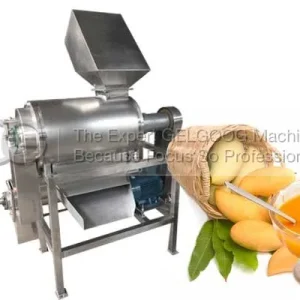
Beater-screen machines run stone fruit and mango with screen and speed changes, and double-channel models reach baby-food fineness on all three. Get per-fruit yield and fineness data at trial rather than extrapolating from peach.
Related equipment
This unit is one stage of a complete processing line. For the full range of pulping and juicing equipment, or to compare this model against the Fruit Pulper & Refiner 2000 kg/h, see the complete equipment catalogue. Capacity, material grade and utility requirements can be confirmed through a quote request.
Reviews
There are no reviews yet.