Radish Washing and Peeling Machine 1000 kg/h
Radish arrives filthy and leaves bitter if its skin stays on. The root is high-water and brittle — it cracks under aggressive drum action — yet its skin carries the mustard-oil bite that buyers notice in every cooked product. That combination rules out both hand peeling at volume and potato-style abrasive mills. A radish washing and peeling machine runs the sequence the crop actually needs: soft brush-roller washing that lifts field soil out of root grooves, then a controlled peeling pass stiff enough for the skin and gentle enough to leave the crisp flesh unmarked, feeding a dicing, drying or pickle line at continuous rate.
How it works
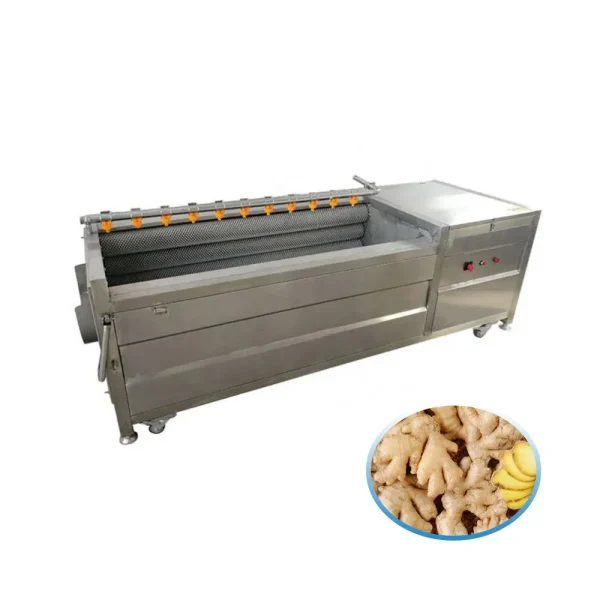
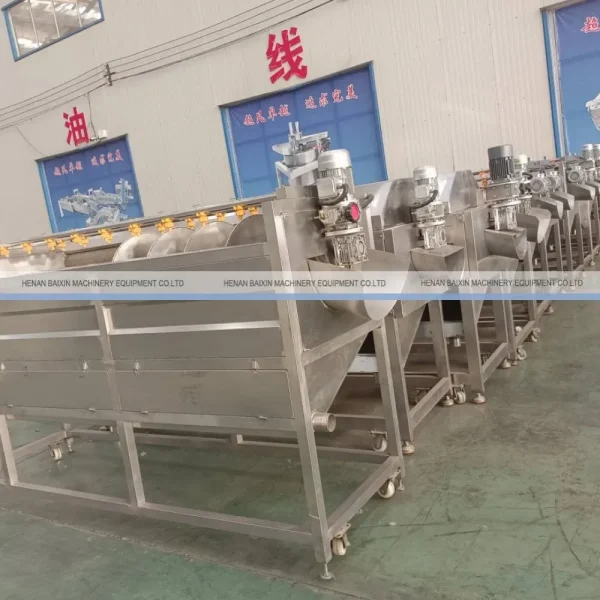
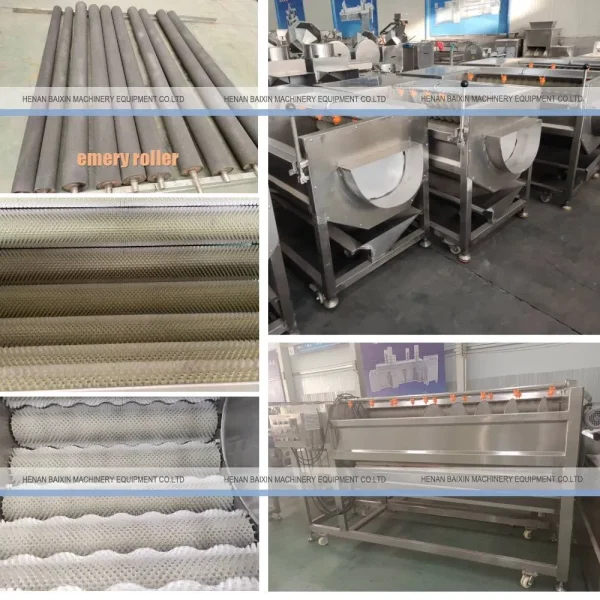
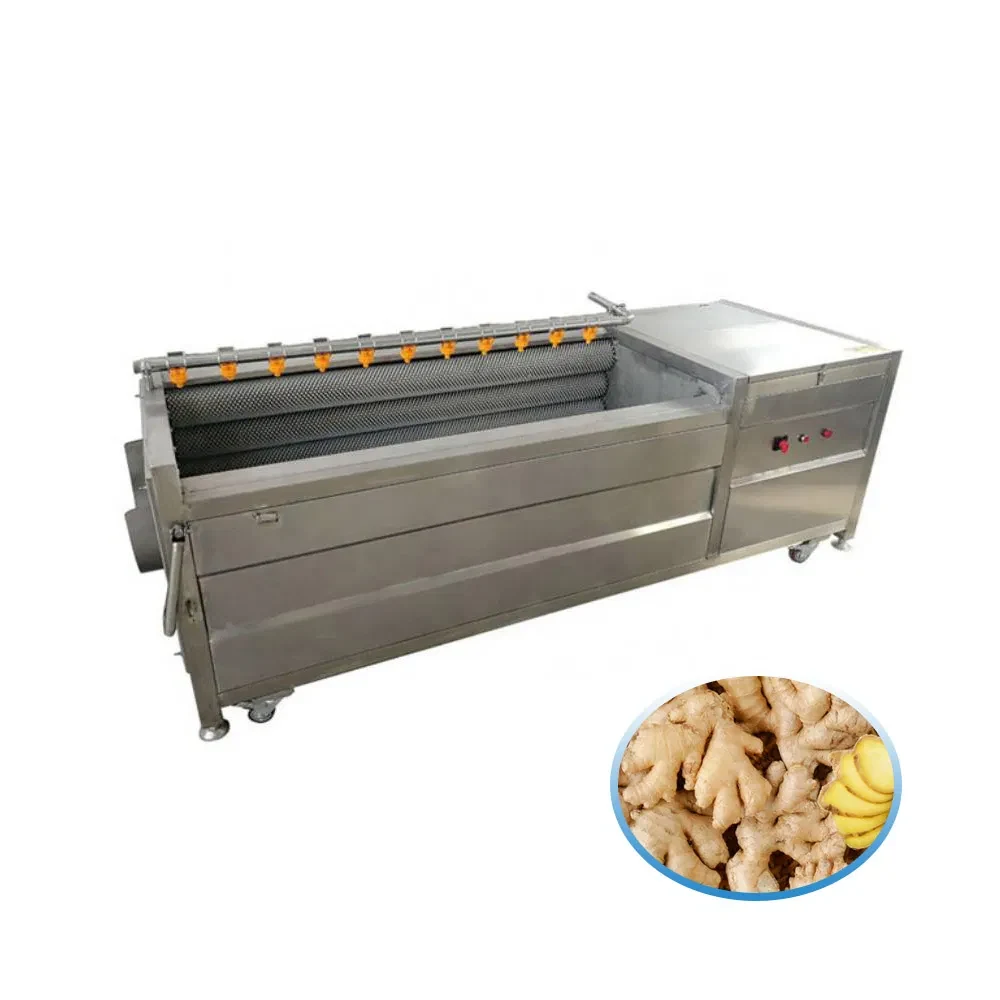
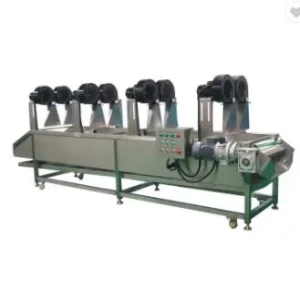
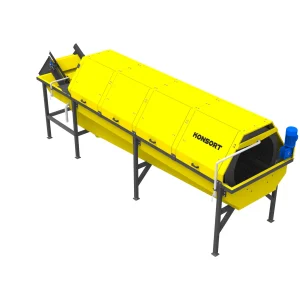
Roots feed onto a bed of rotating brush rollers over which water sprays continuously. Softer front brushes and higher flow strip soil and root hairs; downstream, stiffer brushes or an abrasive insert section work the skin off as roots rotate against the brush field. Brush height and speed set how deep the peel goes — daikon wants a shallow pass, round radishes a slightly firmer one. A spray bar rinses peeled roots before discharge, and the soil-and-skin slurry drains to a screened gutter. Continuous throughput: roots enter dirty, exit peeled and rinsed, ready for cutting or blanching.
Suitable for
Dried radish and radish-strip producers feeding cutting lines; pickle and fermented-radish plants preparing roots before salting; fresh-cut processors making radish sticks and coins for retail; soup and ready-meal factories dicing ahead of cooking; farm co-operatives consolidating mixed daikon and round varieties.
Not suitable for
Carrot-scale polishing without brush change — carrot skin wants a different brush grade and dwell; winter-storage radishes with woody skins beyond brush reach, which need abrasive or steam; volumes under 50 kg a day, where a sink and peeler stay economical; and sites without sediment handling, because radish soil loads are among the heaviest of any root.
Material & compliance
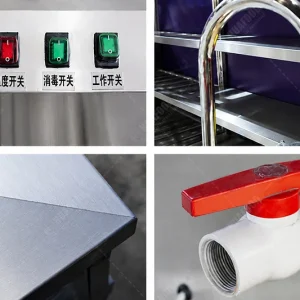
Trough, brush rollers, spray plumbing, chutes and frame in SUS304 (EN 1.4301) food-grade finish; brush filaments food-grade with documented replacement interval; sealed washdown drives; guarded brush bed with tool-free end access for sanitation.
Supplied with CE declaration of conformity and DoC on request; material certificate EN 10204 3.1 available for contact parts.
Selection notes
State your variety mix up front: long daikon, round red and green meat radish each load and tumble differently, and the brush field that peels one scratches another. Ask what the peel number means for your variety — shallow daikon peels cost 3-5% of weight, and a factory quote should state the assumption. Confirm sediment handling: pre-soak tank, screened gutter and drain slope must match your soil load, or the machine bogs down by mid-morning. Check brush replacement access and price — they are the wear item. And verify the discharge height matches your cutter infeed, since radish bruising starts at drop points.
When you should not buy this machine: If radish is a minor crop in a mixed root plant, schedule it through the existing carrot brush washer with a softer brush set before committing capital. And if your product is whole-radish retail with leaves on, a washing-only pass — not peeling — is what the pack actually needs.
Key specifications
| Parameter | Value |
| Capacity | 600-2000 kg/h by root size (TYPICAL, confirm with factory) |
| Root range | 30-150 mm diameter, daikon to 500 mm length (TYPICAL) |
| Peeling | Brush roller with optional abrasive section |
| Yield | Brush-set; typical peel loss 3-8% (TYPICAL) |
| Contact material | SUS304 (EN 1.4301) |
| Power supply | 380V/3P/50Hz, 2-4 kW class |
Specification values are industry-typical ranges for this machine class and are not verified against a specific factory datasheet. Replace them with measured factory data before publication.
FAQ
Will it crack the crisp flesh?
Not at correct brush height — cracking comes from hard drops and over-aggressive abrasive action, not brush contact itself. Set the peel shallow, keep discharge drops short, and ask for a cracked-root count from a trial on your variety.
Does it remove the green shoulder on daikon?
Partly — green shoulder peels like skin where brush contact is even, but severely sun-greened zones may need a second pass or trim. For spec-critical packs, pair the machine with a trim table rather than over-driving the peel.
Can it run carrot and potato?
Yes with brush and dwell changes — the frame and water system carry over directly. Get the changeover procedure and per-crop yield numbers from the factory, and budget the brush sets as separate wear items.
Related equipment
This unit is one stage of a complete processing line. For the full range of washing and peeling equipment, or to compare this model against the Brush Roller Peeling Machine 800 kg/h, see the complete equipment catalogue. Capacity, material grade and utility requirements can be confirmed through a quote request.
Reviews
There are no reviews yet.