


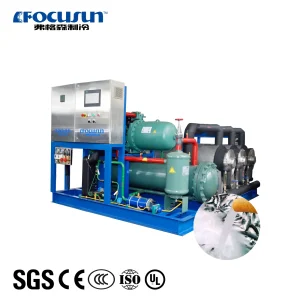
Tube Ice Machine 10 t/24h
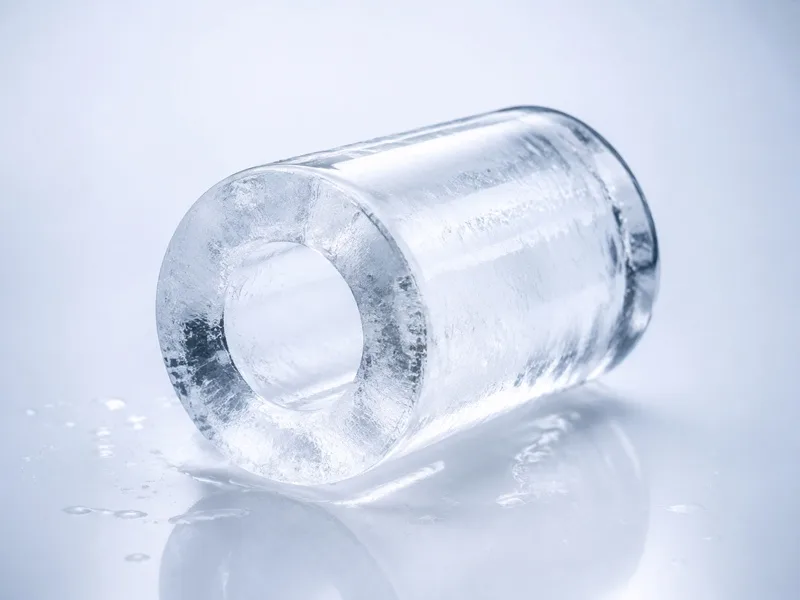
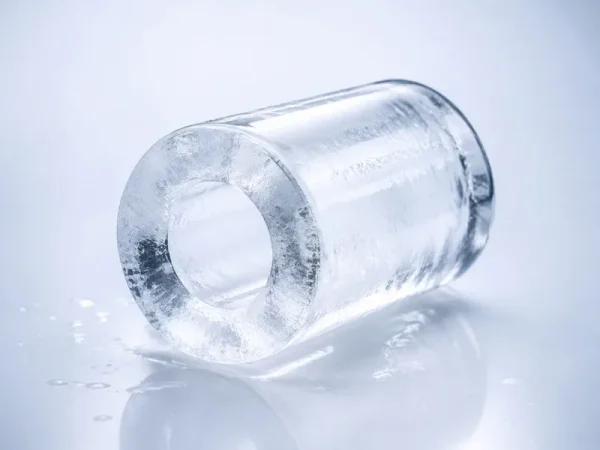
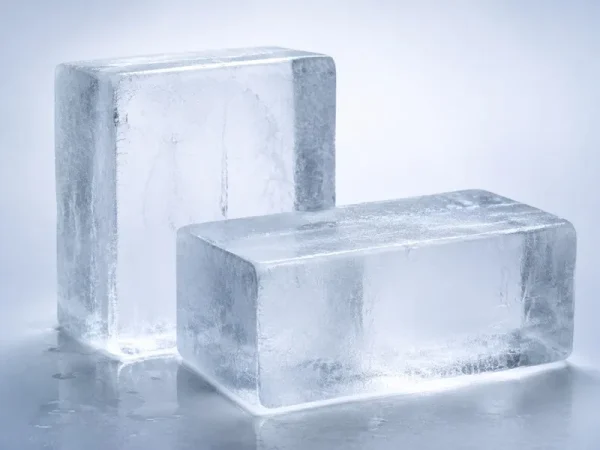
Refrigeration unit that makes the hardest ice in common use. Where flake ice is thin and mouldable, tube ice is hollow, hard and slow to melt — it survives handling, transport and display without collapsing into water, which is why it shows up in top-icing, fish-market style display and cooling duties where the ice has to last as long as the product it is protecting.
How it works
Water is distributed into a vertical shell-and-tube evaporator: water flows inside the tubes, refrigerant evaporates in the shell around them, and the water freezes from the inside out into solid hollow cylinders. When a cycle completes, hot gas from the compressor is diverted through the shell, the ice cylinders release from the tube walls and drop onto a rotating cutter that sizes them. The cut ice discharges to a bin or conveyor. The machine runs continuously — freeze, harvest, cut — on a repeating cycle, and output is quoted per 24 hours at a stated ambient and water temperature.
Two design points decide the installation. The first is condenser selection: air-cooled units are simpler but lose output in hot plant rooms, while water-cooled or remote condensers hold output where air is warm. The second is the water supply: the ice is what the water makes it, so filtration and, where ice contacts food, potable supply are part of the specification rather than accessories.
Suitable for
Top-icing and display duties where hard ice has to survive the working day; produce cooling and transport where slow melting extends the hold; operations with an existing refrigeration plant that can supply the hot-gas defrost circuit; sites where ice hardness and handling durability matter more than mouldability; operations needing larger ice output than flake machines economically deliver.
Not suitable for
Duties needing ice that moulds to product — flake ice or slurry is the right tool, because tube ice bruises soft produce; sites without refrigeration service capability, since this is a refrigeration machine in full; anyone sizing by peak hour rather than per 24 hours, because the bin is part of the system; plants that only need chilled water, where a chiller is the better buy.
Material & compliance
Evaporator, cutter, discharge and bin surfaces in SUS304 (EN 1.4301). Water circuit with filtration appropriate to the supply, and potable supply plus hygiene design where ice contacts food for consumption. Refrigeration circuit guarded and enclosed with pressure protection; refrigerant type declared at order because F-gas rules differ by market. Cutter station guarded, because the cutting is the one mechanical hazard on an otherwise closed refrigeration machine.
Supplied with CE declaration of conformity and DoC on request; material certificate EN 10204 3.1 available for contact parts.
Selection notes
Ask for output at your ambient and water temperature, not at the catalogue condition — the correction is larger than buyers expect and it is the difference between an installation that holds and one that runs short. Check condenser type against your plant room ventilation. Check the cutter and its blade supply, since the cutter is the mechanical wear point. Check refrigerant service availability locally, and size the ice bin to your shift pattern rather than to the machine rating.
When you should not buy this machine: If your duty is cooling soft produce, flake ice or ice slurry moulds and cools where tube ice bruises and rolls — the harder ice is the wrong physical form. And if you have no refrigeration technician within reach, this is not a machine to own; it needs service.
Key specifications
| Parameter | Value |
| Ice output | 5000-30000 kg/24h by model (TYPICAL, confirm with factory) |
| Ice type | Hollow tube, about 38 mm diameter (TYPICAL) |
| Ice temperature | About -5 to -10 °C (TYPICAL) |
| Freezer | Vertical tube evaporator with hot-gas defrost |
| Condenser | Air-cooled, water-cooled or remote by site |
| Refrigerant | R404A, R134a or R290 by market and regulation |
| Contact material | SUS304 (EN 1.4301) ice-contact parts |
| Power supply | 380V/3P/50Hz or 415V/3P/50Hz, customizable |
Specification values are industry-typical ranges for this machine class and are not verified against a specific factory datasheet. Replace them with measured factory data before publication.
FAQ
Tube ice or flake ice — which do I need?
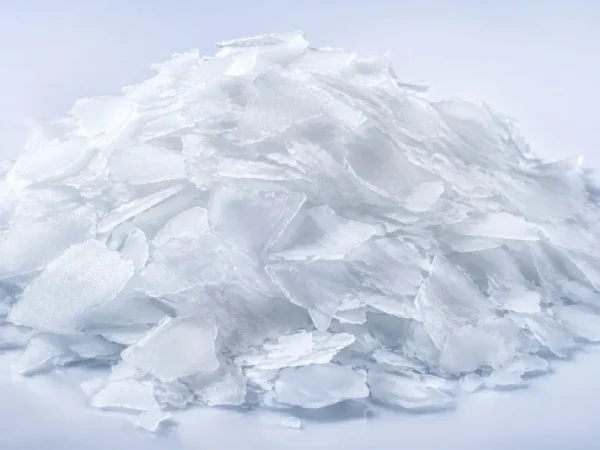
Flake for cooling by contact, tube for cooling that has to last. Flake is thin, dry and moulds to product; tube is hard, hollow and slow-melting. Soft produce wants flake; top-icing, transport and display usually want tube.
Why does the machine harvest with hot gas?
The ice has to release from the tube walls to drop onto the cutter. Diverting hot compressor gas through the shell warms the interface just enough for the cylinders to fall, which is the standard harvest method on this machine class.
What water quality does it need?
Filtered as a minimum, potable where ice contacts food for consumption. Poor water quality scales the evaporator tubes and dulls the cutter, and both failures are expensive and slow to reverse.
Related equipment
This unit is one stage of a complete processing line. For the full range of freezing equipment, or to compare this model against the Industrial Chiller Unit 200 kW, see the complete equipment catalogue. Capacity, material grade and utility requirements can be confirmed through a quote request.
Reviews
There are no reviews yet.